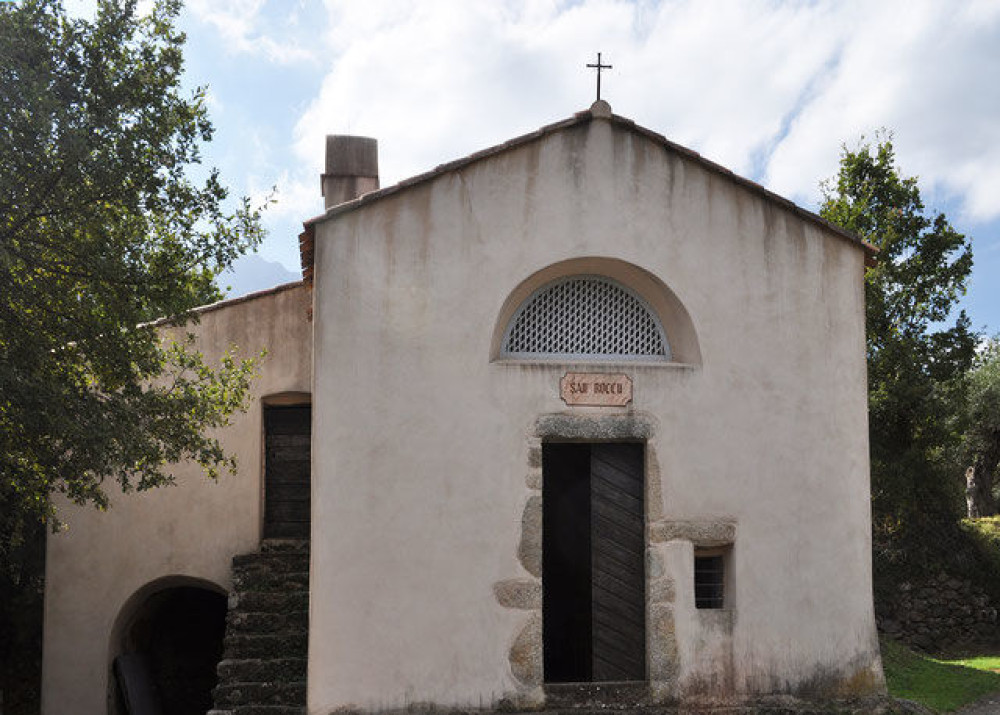
Restored in 1997, the chapel houses some paintings by Chisa: on the walls are six paintings of the life of San Roccu and, suspended from the ceiling, twelve paintings depicting the life of Jesus and arranged in the shape of a cross.Saint Roch was very popular in Corsica from the 14th to the 19th century. In Filicetu, the chapel dedicated to him was entrusted to the care of a hermit by the episcopal vicar of Ajaccio in 1865. In the chapel, one can see an 18th century statue of the saint made of cherry wood. In July, this statue is carried in procession to the church of St Nicolas and then brought back down at the end of August. On 16 August, the day of his feast, a procession goes around the village imploring his protection. As a sign of sharing, evoking the personality of the saint, blessed bread rolls are distributed at the end of the mass.



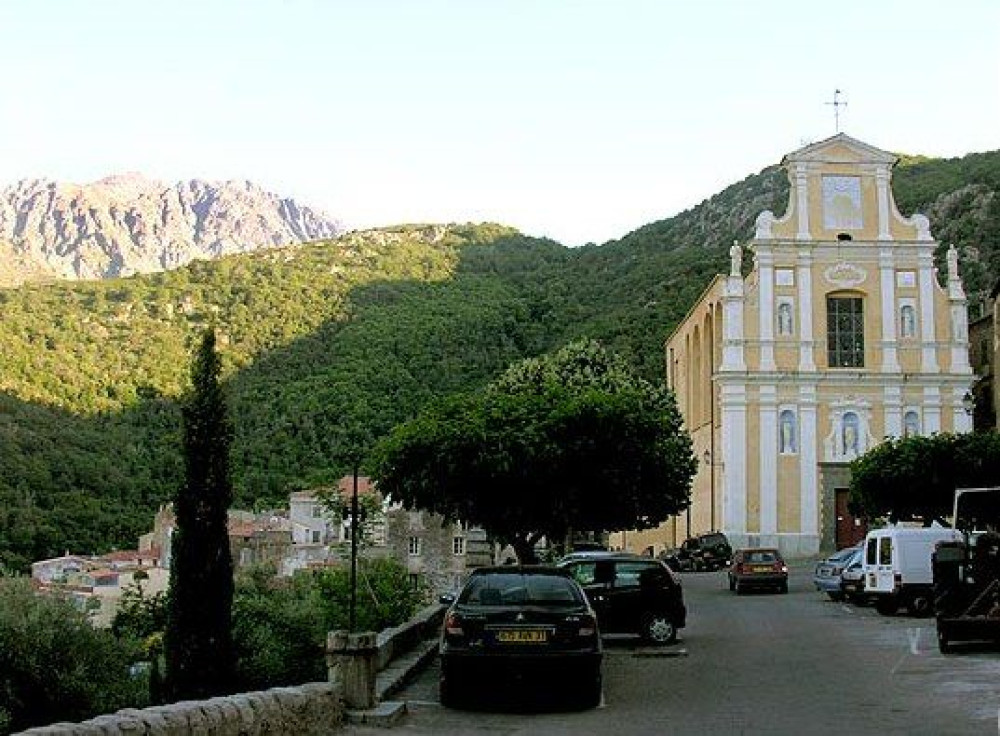
Built in the 18th century, this is one of Corsica's finest examples of Baroque churches. It houses some listed works, including some 17th-century paintings, the main altar, and balustrades of Carrare marble. The gallery features an organ built by Tomaso Pagnini de Lucca.
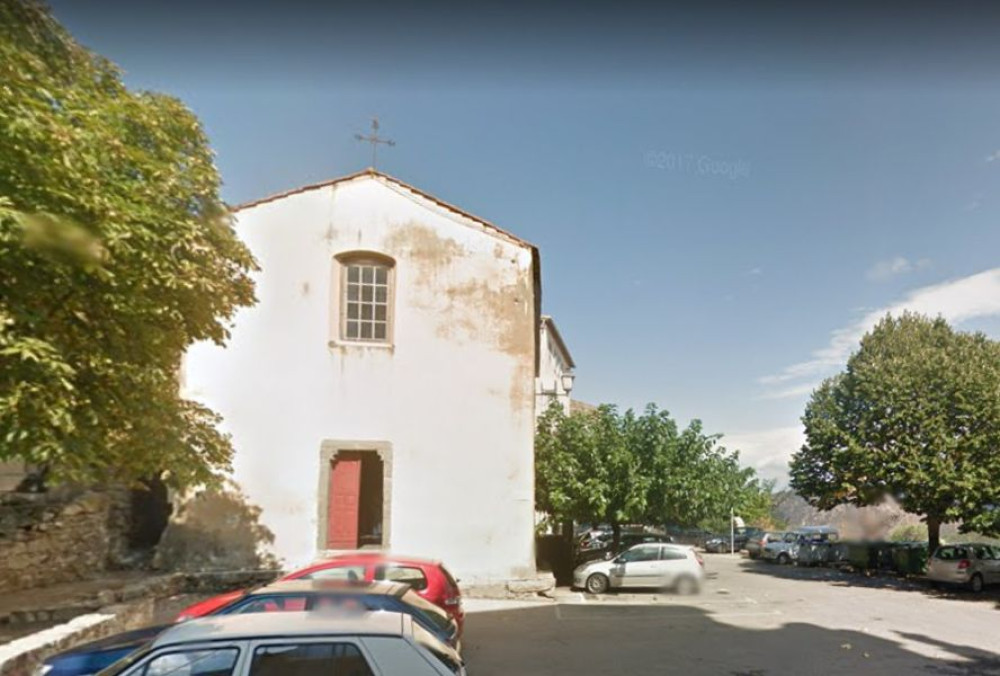
Built during the 18th century, it is one of the best achievements among Baroque churches in Corsica. It is home to some classified works, including some 17th-century paintings, the main altar and the balustrades of Carrare marble. The gallery features an organ built by Tomaso Pagnini de Lucca.
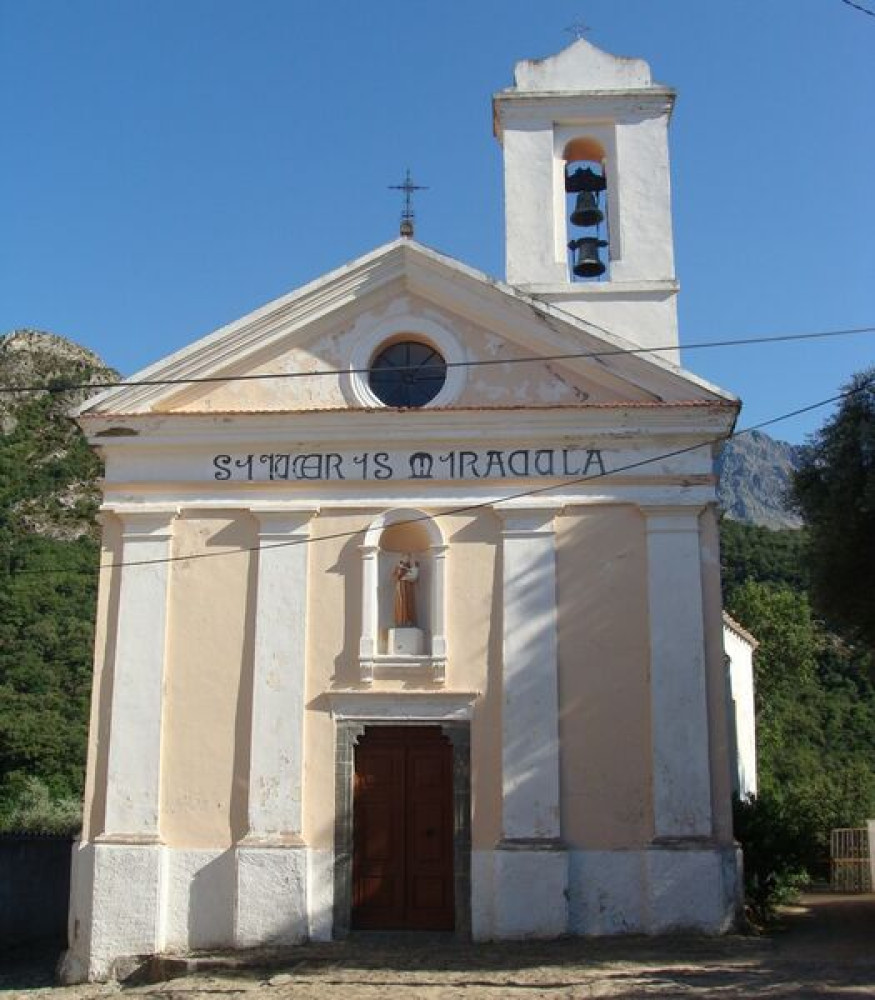
The hamlet of Poggiali is home to a small Baroque church which dates from the end of the 17th century.
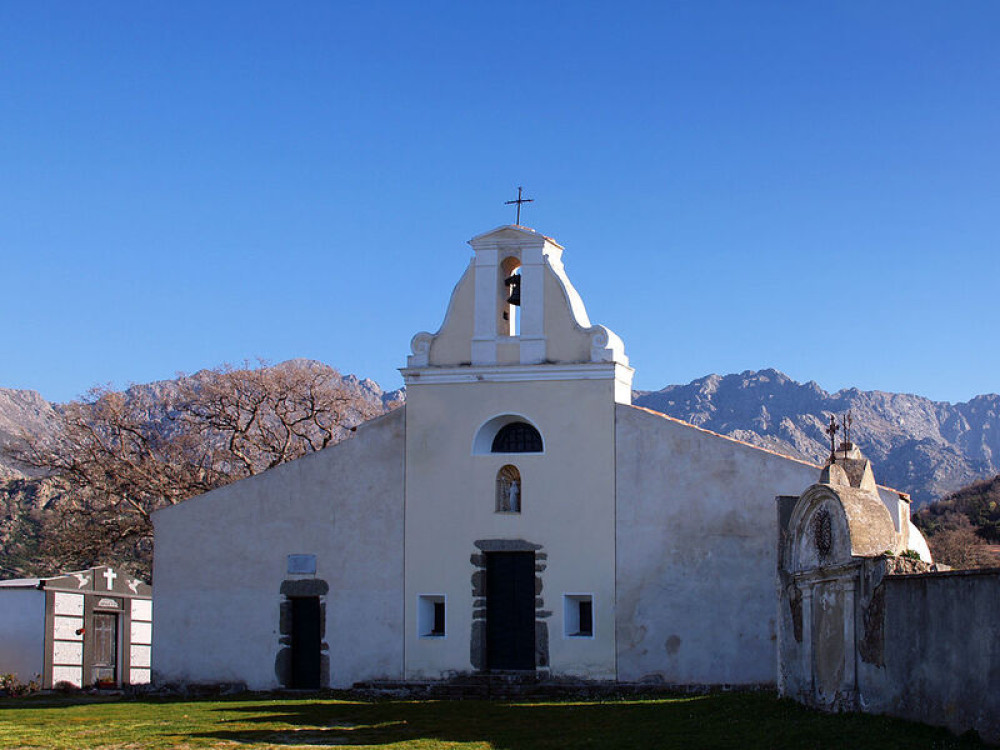
The chapel of San Ghjacumu, Saint Jacques le Majeur, stands in the cemetery, a kilometre from the village. Built in 1110, it was in ruins before its reconstruction in 1635. It was restored in 1997 thanks to the generosity of Maria di Vincenza.
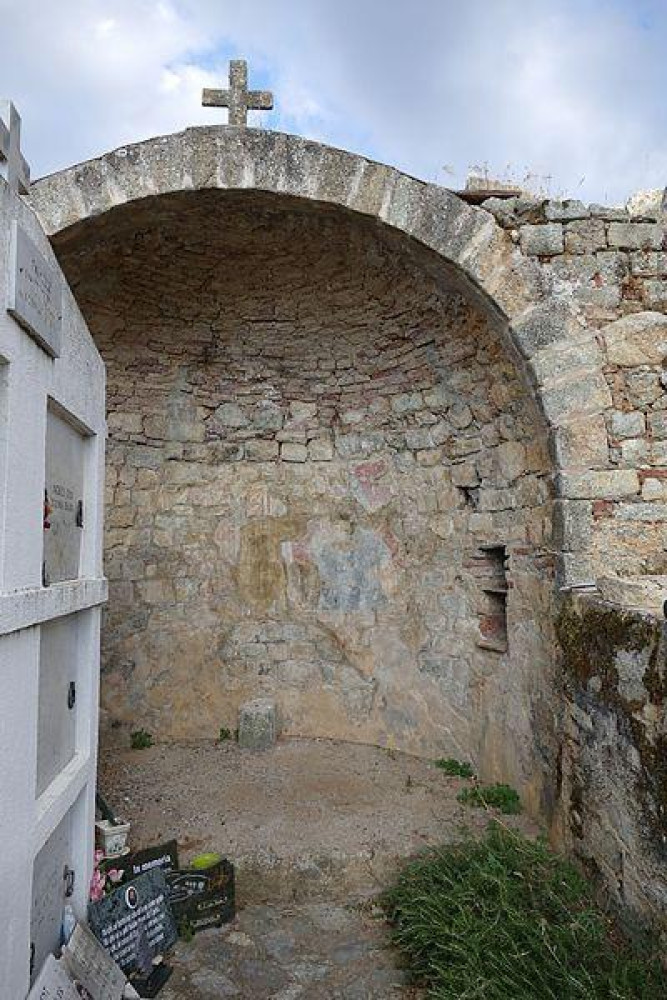
The ancient parish chapel, dedicated to the apostles Peter and Paul, was built in the cemetery during the 9th century. Now in ruins, it has left its place to the tombs. Only the apse of the little Romanesque chapel still remains, worn by rainwater and seepage.Here, a unique testimony in the iconography of frescoes in Corsica slowly fades away: the representation of a brotherhood of women, probably originally protected by the mantle of the Virgin in Majesty, in the centre of the apse and carrying on her knees the infant Jesus, of whom a pretty naked foot can still be seen. ... the women's faces are tense in prayer, the hands joined, the silhouettes drawn with a sure line and evoke a universe close to the small fresco of the chapel of Santa Restituda in Calenzana. In 1967 Mrs Geneviève Moracchini already sounded the alarm, and in 1985 Mr Joseph Orsolini wrote that run-off water and seepage were degrading the magnificent 15th century fresco. In 1646 this small chapel served as the parish church of the village of Nessa. It was classified as a historical monument in 1990 and nothing has been done to restore it and protect it from wind and rain.
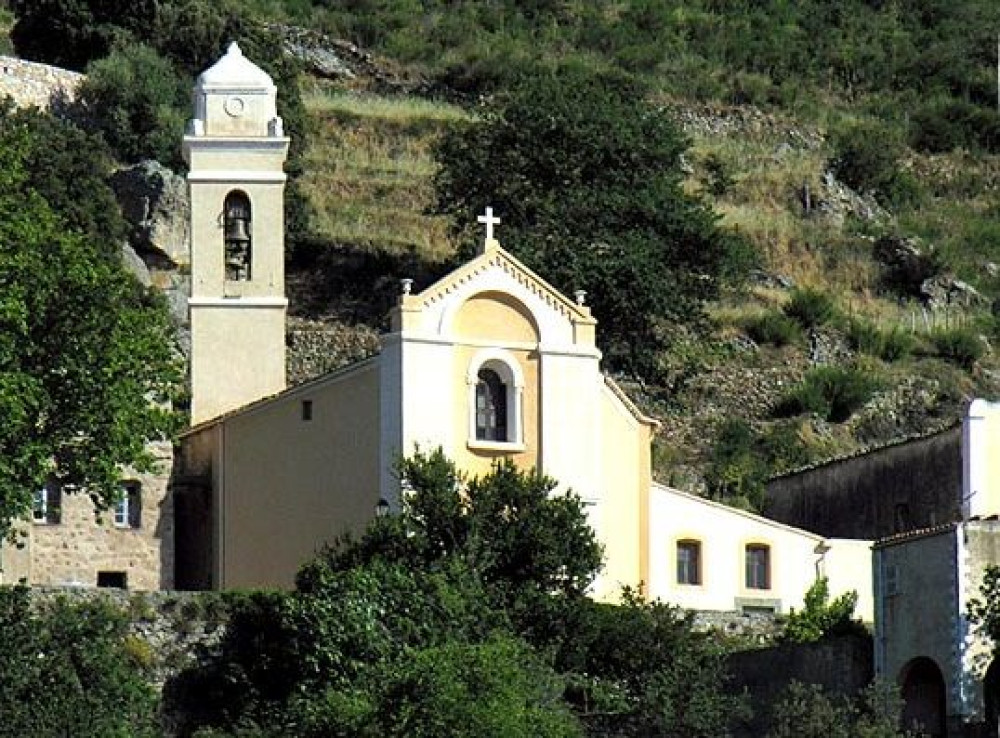
The parish church of Saint Joseph is located in the heart of the village on Avenue Hui Bon Hoa, next to the old friary. It houses a number of classified works of art.
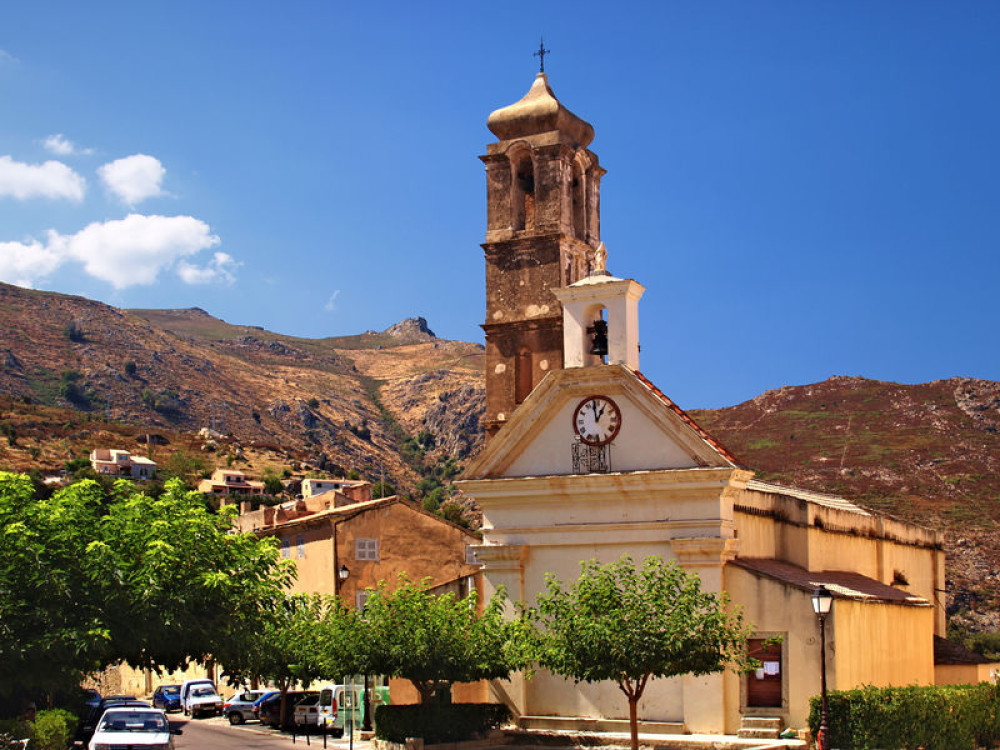
During the 12th century, the church was used by the inhabitants of Giustiniani. Located on the village square, it is the seat of the friary of Sant'Antone Abbate. It features a listed altar, an 18th-century tabernacle, and a silver reliquary on St Roch wood.
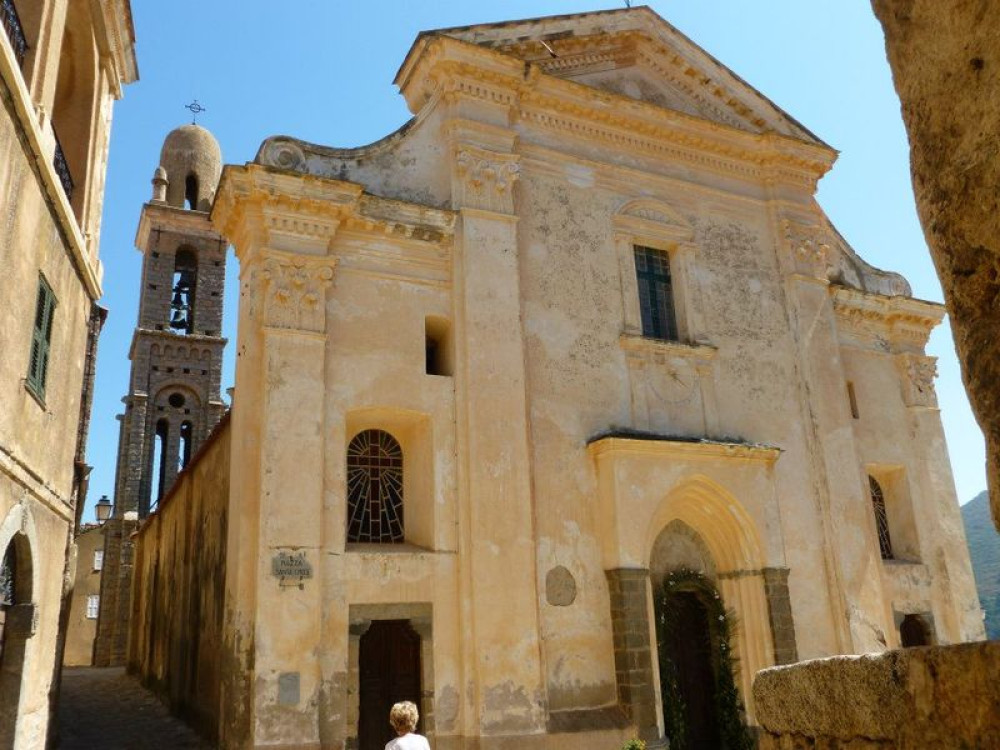
The collegiate church is extremely old. The original Romanesque church was built in 1509. Its status of exceptional collegiate church was granted by Pope Benoit XIV on 6 December 1749, and confirmed by Pope Clement XIII on 6 May 1766. It was restored in 1970.Its façade dates from 1509 and its Nicolas Filippi Way of the Cross from 1746. It contains a tabernacle with twisted columns, inlaid wood and varnish from the 18th century (listed), numerous paintings including "The Last Communion of a Holy King", oil on canvas from the 17th century (listed) and the shrine of the relics of San Vittoriu, a martyr from the end of the 3rd century. The church has a historic Crudeli organ (1810) and a gallery (1821) by Anto Giuseppe Saladini, born in Speloncato. It is the seat of the Oratory of the Confraternity of Santa Croce.
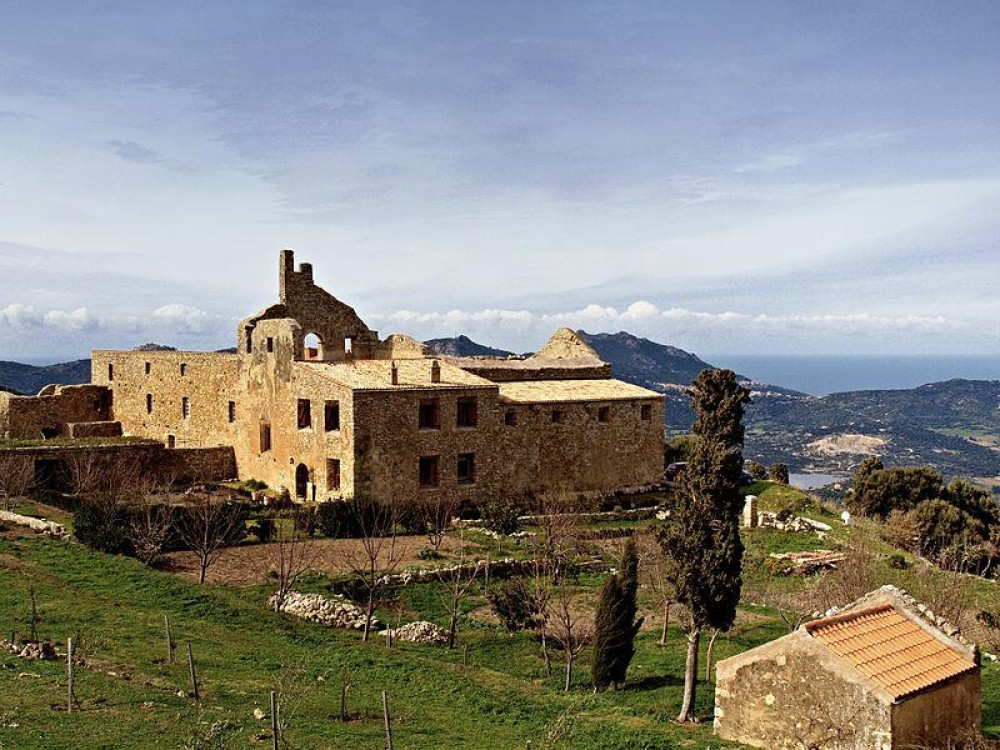
Built by the Capuchin monks in 1621, the convent was in ruins before being restored and converted into housing. It was made famous by a spring that supplied it with water from the Carignelli, an excellent cure for a number of ailments.
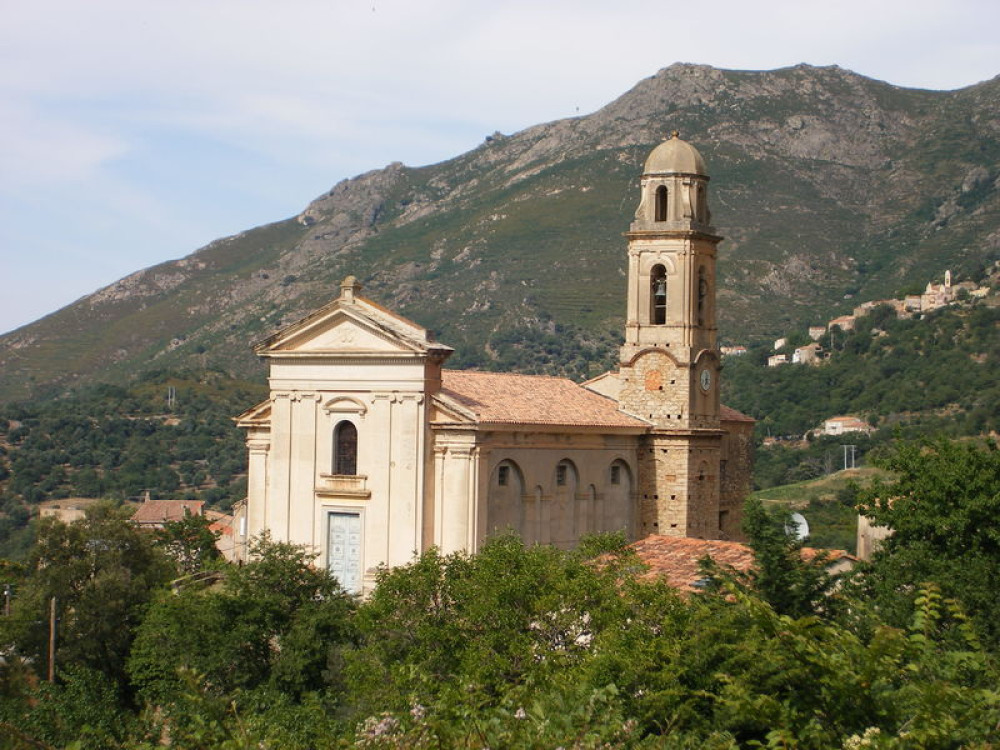
Saint Nicholas church is of Baroque style. It was built towards the end of the 18th century, probably in replacement of a Romanesque chapel from the 16th century.
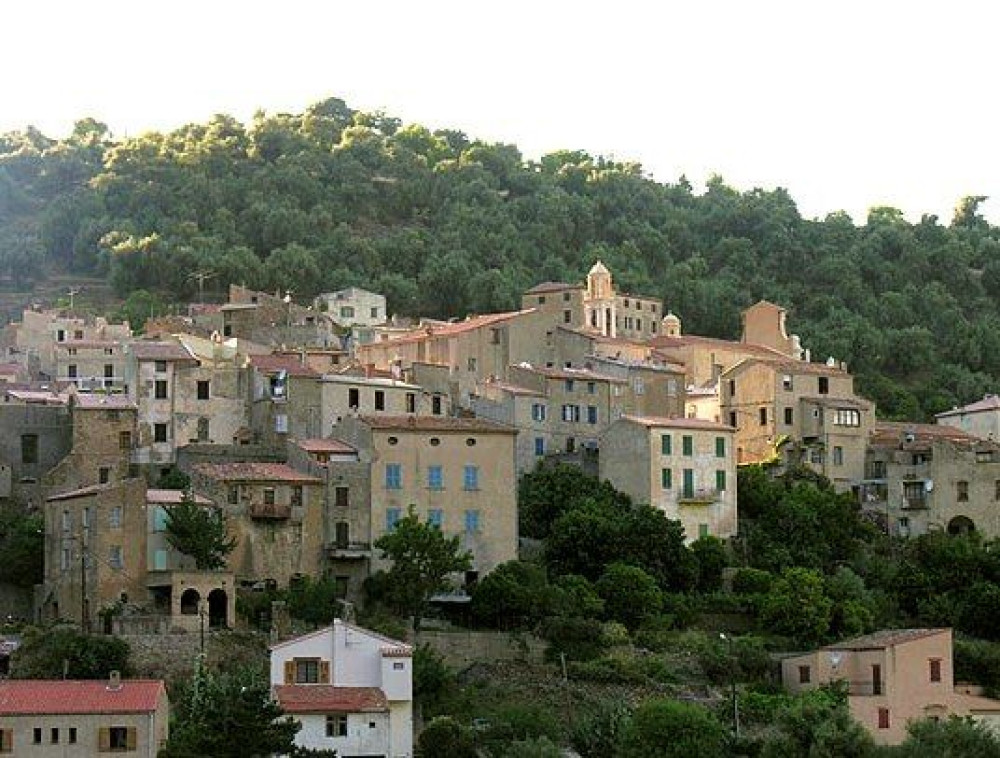
Come explore this picturesque village on Corsica. Muro remains unspoilt, "close to everything yet set back a little". Sheltered amid lush green surroundings, Muro is a garden that clings to the mountainside below the Avazeri peak.
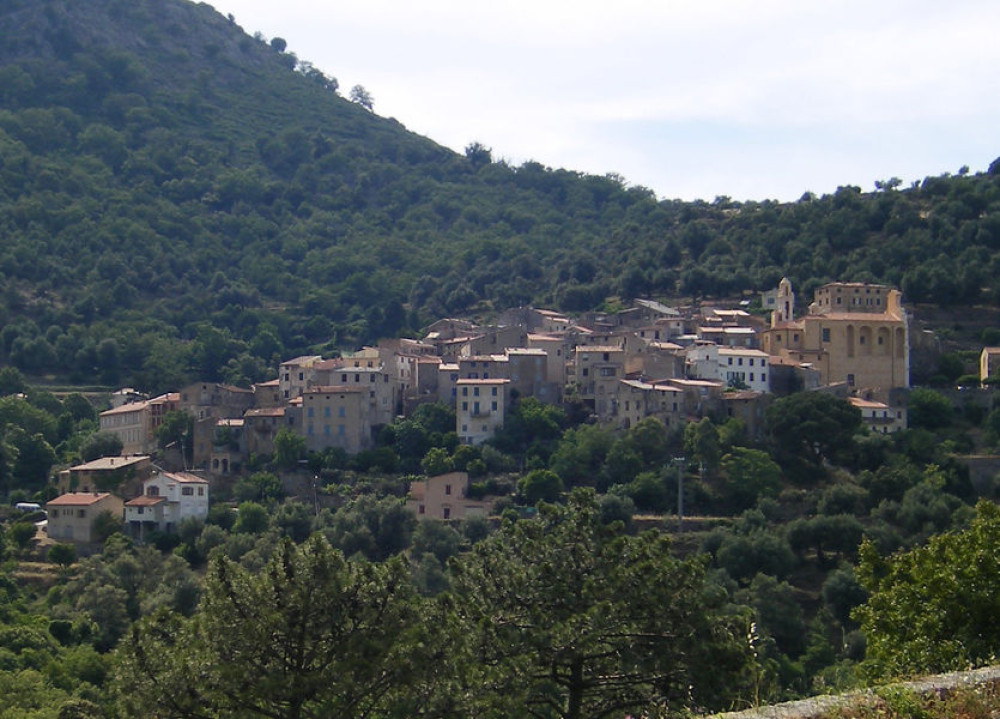
Perched high in the foothills of the Montegrosso massif, cradled by the surrounding high peaks, Feliceto is a proud mountain village nestling in a little corner of the Reginu valley.
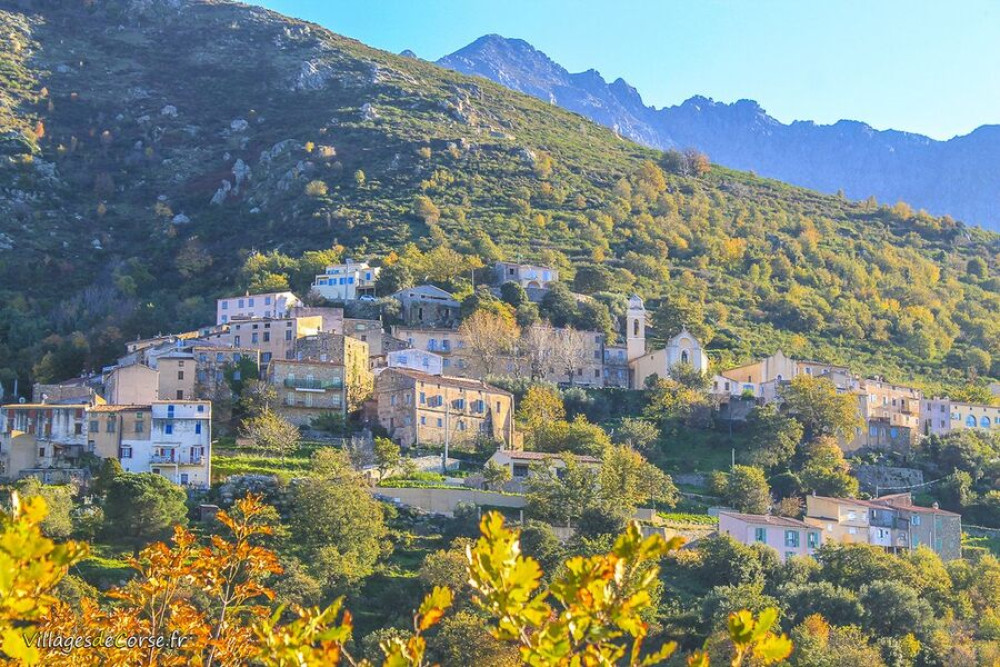
On Balagne's arts & crafts route, take the road to Nessa. This small village may not be the biggest tourist attraction, but it bathes in a lovely warm and friendly atmosphere.
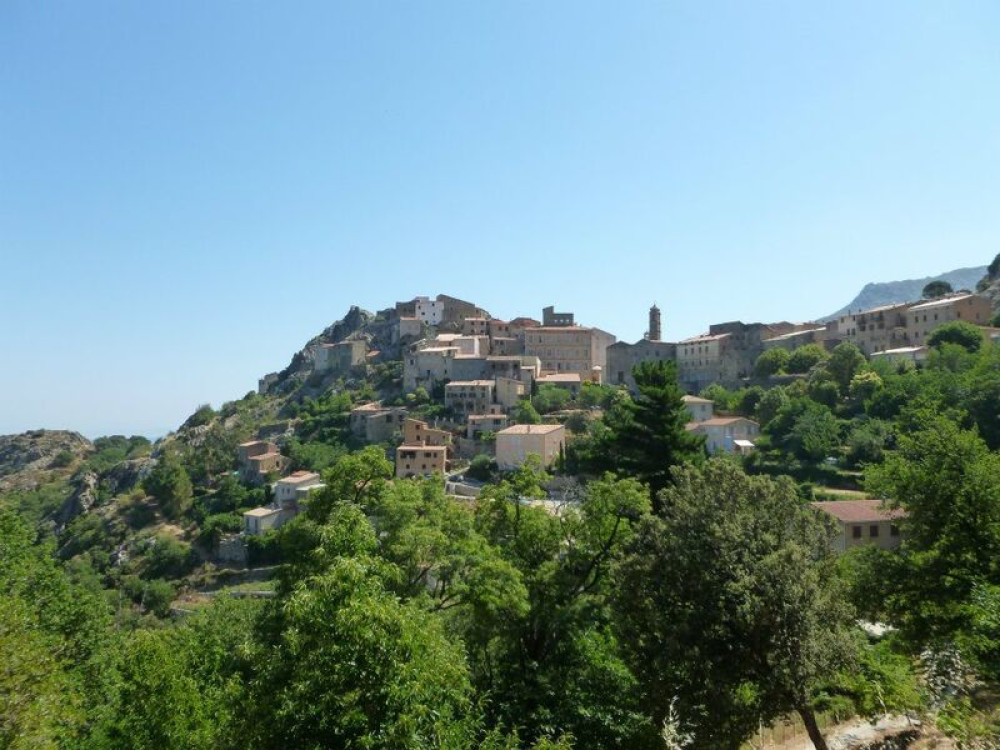
This has been a place of retreat for thousands of years. Some items of Neolithic furniture have been found here.

The village of Feliceto takes its name from the happiness of water. In fact, the village has many natural springs. With its rivers and waterfalls, Feliceto offers two Genoese bridges that allow the discovery of its heritage and pleasant moments of bathing depending on the season.

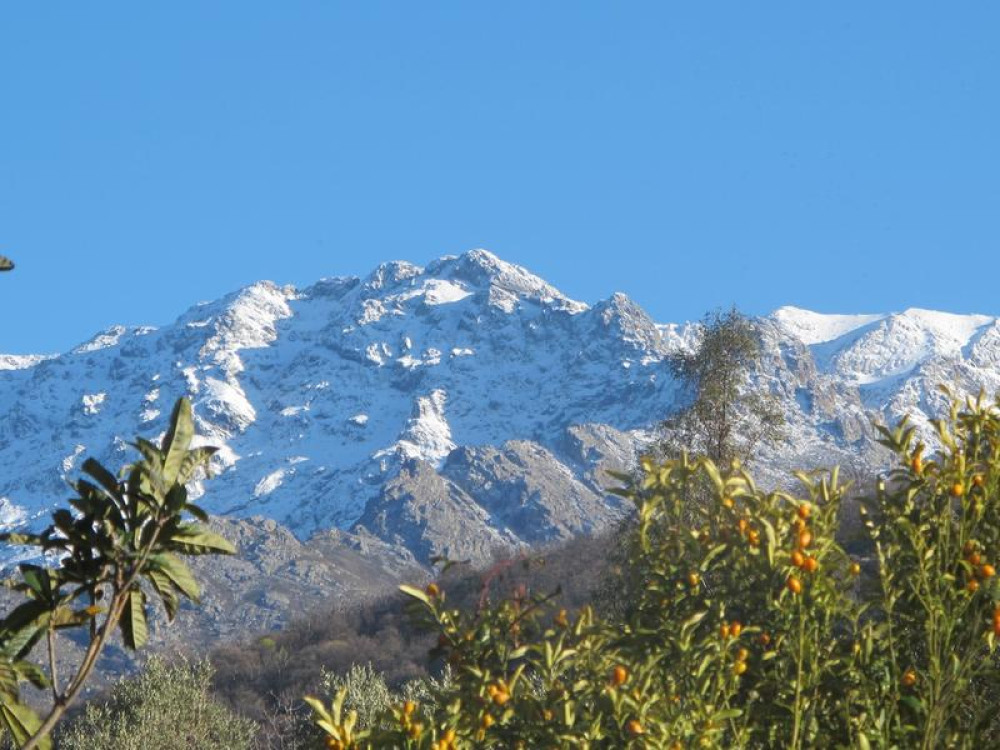
San Parteu is one of the mountain peaks of Balagne. It rises to an altitude of nearly 1680m between the Melaghja Valley and the Fiumi di Regino Valley. It dominates Feliceto on its north-western side and Pioggiola on the north-eastern side. It borders the north-western part of the Corsican Regional Natural Park. It is the subject of a procession in July in memory of the saint who is said to have blessed the Balagne in the 5th century. The San parteu also gave its name to the brotherhood of Ghjunsani.

The pureness of the water and the personality of the wines... Zilia is famous for its vineyards and spring water.
Crouching at the foot of the Montegrosse, surrounded by olive and almond groves, this village of 14 km² has retained its traditional architecture.Zilia was once known for the benefits of the "Dirza" thermal spring, radioactive table water, eminently digestive and diuretic, whose use was abandoned in 1914.
At the time of the Roman occupation, a village of 800 souls was established at a place called Poffiume (Podium Fluminis: area of ??the river). It was gradually abandoned by its inhabitants who settled in the hamlets of Zilia and Giarghja.
The village of Zilia is located at an altitude of 278 m, at the foot of the Monte Grosso massif and offers a panoramic view of the green valley of Fiume Seccu. Well grouped around its bell tower, it is currently developing in the lower part, on the remains of the original village.
The former Franciscan convent, located on the road to Calenzana, above the Domaine Alzipratu, for a long time kept a beautiful library which Pascal Paoli frequented.
This high place of the spiritual life of the country was ruined by the revolution and then restored.
It was once owned by Baron De La Grange before being bought by the Agnelli family.
Today, the Alzipratu estate, and a mineral spring, exploited since 1995, which sells all over the island, under the name of Zilia, bottles of bicarbonate and low mineral water, contribute to its fame.
Village where life is good, Zilia offers a panoramic view of the green valley of Fiume Secco.
Sights...
In Ghjesgia San Roccu: The St Roch church, in baroque style, completed in 1688 and then extended in the 19th century. Its high polychrome marble altar comes from the Alzipratu convent. He is celebrated on August 16.
The Chapel of Saint François.
The San Lussoriu Chapel dedicated to the Sardinian martyr of the third century AD. This saint beheaded under Diocletian is celebrated on August 21.
The Zilia Water Works Plant (by reservation only).

The star-shaped main square links all the little streets and the architectural decor makes it very popular among film-makers.The peculiarity of Cassano, comes from the architecture of its star-shaped square which loosens all the alleys of the village ... a real playground for children.
Around this very special place, you can admire large, imposing and old buildings with porches.
Before its merger in 1972 with Montemaiò and Lunghignanu, Cassano was a municipality in its own right with a territory of 3 km².
The village is today one of the 3 hamlets of the municipality of Montegrosso.
Sights...
Saint-Alban Church: located 300 metres below the village, this converted building is home to a statue of Saint Alban who is venerated every year on 22 June.
Parish church of Santa Maria Annunziata: dating from the 17th century and recently restored. Features a multi-level bell tower.
Saint Antoine friary dating from 1651 according to the lintel above the door. It adjoins the parish church.
Star-shaped village square

Thriving soils and olive fragrances... Witnesses of a fertile land where oil farmers and herdsmen perpetuate the delightful tastes and traditions of Balagne.Occupying a fertile territory of 330 ha, formerly called "acqua spessa" and known for its important agricultural activity, the municipality of about 80 souls extends from the plain of Reginu to the heights of Capu di Bestia, culminating at 804 meters. altitude.
Around 1850, the town had 300 inhabitants, the smallest plots being planted with cereals, vines, orchards, mulberry trees and chestnut trees, each family having its own garden and especially more than 50 hectares of olive trees, mostly dating from the 18th century.
Breeding, mainly sheep, held an important place.
If agriculture has declined as it has everywhere, olive growing has held up well (even today the village is renowned for the quality of its olive oil) and shepherds still have some 700 sheep and 150 cattle.
Identity mark of the village, the bell tower of the baroque Sainte-Marie church dominates the roof of particularly neat houses. The other chapel and the defensive tower have disappeared to cede their stones to the construction of houses and the wine press.
Sights...
Church of Saint Mary: Built in 1618 with some of the stone from the ancient church of Santa Maria Assunta, which has since disappeared. The rest of the stone was used to build a wine press. This Baroque church features a square multi-level bell tower and is home to the San Carlu friary.
Saint Michael's Chapel
Oil mill
Fruit gardens

A masterpiece of Romanesque Art and the flavour of almonds... This village takes delight in perpetuating ancient customs. It still organises traditional processions followed by festivities around an open-air meal.The village and its two hamlets, Torre and Praoli, located on the hillside, overlook an agricultural plain that extends to the sea.
Arboriculture has been one of the riches of the town: olive trees but also citrus and almond trees have long shaped this landscape, unfortunately damaged by fires.
Aregno was known for the quality of its oranges, considered to be the best in Corsica; they were even exported to the continent.
The first Aregno orange trees were imported from Portugal in the 17th century. One variety of orange is called "AREGNO citrus sinensis osbeck".
In January, the blessing of the oranges takes place, and the procession of Saint Anthony the Abbot, whose statue they adorn.
The village is also known for its almonds ... At the end of the 19th century, almond cultivation covered 3000 ha of the island.
By the middle of the last century, it only represented a hundred hectares.
It was in 1997 that the rural center decided to give the almond tree its nobility through its cultivation and the organization of a rural fair on the first weekend of August.
Almond and its derived products from ancient local food traditions are celebrated there.
Sights...
Trinity Church: a real gem of Romanesque art, built from multicoloured granite. Listed as a Historical Monument since 1883, it was the seat of the Aregno parish in the diocese of Aleria in 1177. The interior wall paintings dating from 1449 and 1458, "The Four Doctors of the Church" and "Saint Michael Slaying the Dragon", are also classified works.
Saint-Antoine Abbé parish church: located in the heart of the village, this Baroque church features a tall ochre-coloured bell tower with 3 arched levels. The front facade of pink striped with white is flanked by sculpted side doors. The date 1818 is engraved on a cornerstone. The church houses some works belonging to the municipality which are listed Historical Monuments, including canvas paintings, "The Death of Saint Francis-Xavier" and "The Virgin and Rosary with Saint Dominic and Saint Catherine of Sienna", some wooden furniture (prayer pulpit from 1714 and 18th-century friary stalls with four seats in stained, waxed wood) in the Saint-Antoine chapel.
Vestiges of San Quilicu Chapel, a Romanesque building dating from the 10th century.
Events: an almond festival, "a fiera di l'Amandulu" (first weekend of August)

Perched high on a hill and surrounded by the riches of Balagne, this village, one of the oldest in Corsica, must be the finest example of Corsican medieval architecture. Sant'Antonino is officially rated among the most beautiful villages in France.Built in the 9th century and located at 500 m. altitude and thanks to its eagle-nest construction, it overlooks and observes the whole of Balagne in 360 °.
You just have to walk through its narrow and stony streets, its network of galleries and vaulted passages, all forming a downward spiral from the top of the rocky outcrop on which it was built, to appreciate the preservation of this jewel.
Its medieval architecture and its narrow streets paved with very old stones have contributed to its classification among the most beautiful villages in France.
Overlooking the sea, this "fortress" in the shape of an eagle's nest was built in the 9th century; it dominates the whole of Balagne and observes it at 360 °.
It is made up of around 75 residences, welded to each other, and which wrap around a granite peak forming an embryo of a labyrinth to better resist the possible invader.
Due to its position, it is said to be visible from all sides in Balagne. Founded by Ugo Colonna in the 9th century, its establishment at the top of the hill made it possible to take refuge and defend itself there during the Moorish invasions.
Sights...
The 17th-century A Nunziata parish church and multi-level bell tower.
Chapel of the Saint Antoine Friary, built between 1760 and 1770.
Ancient bread furnace.
Vestiges of the old Castellu fortifications.
Notre Dame des Bergers chapel.
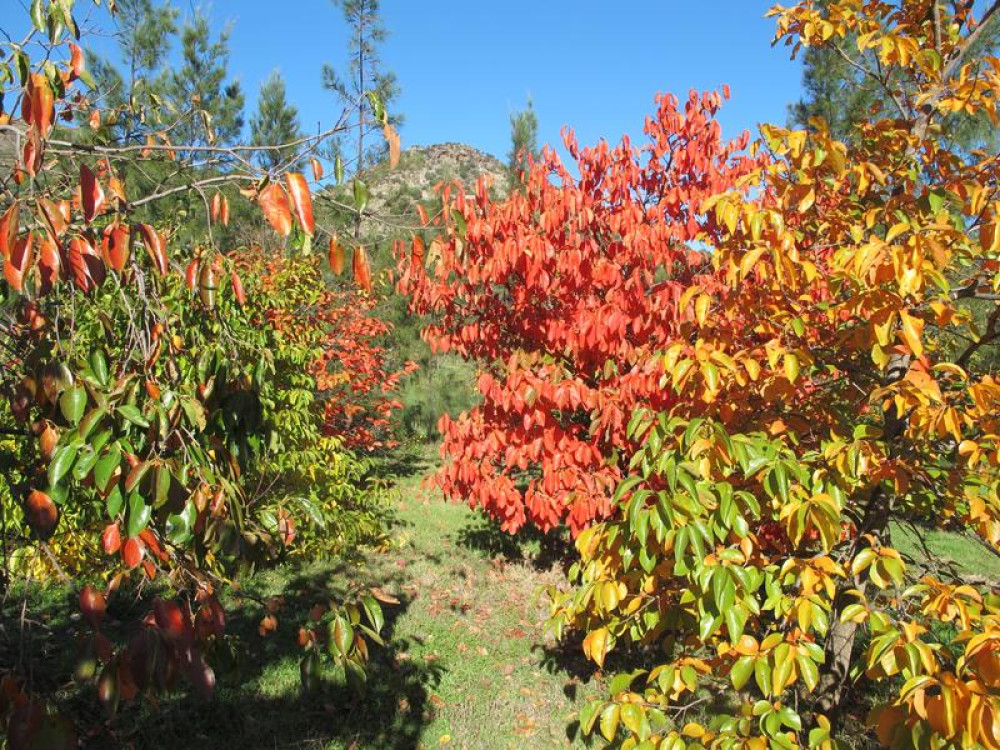
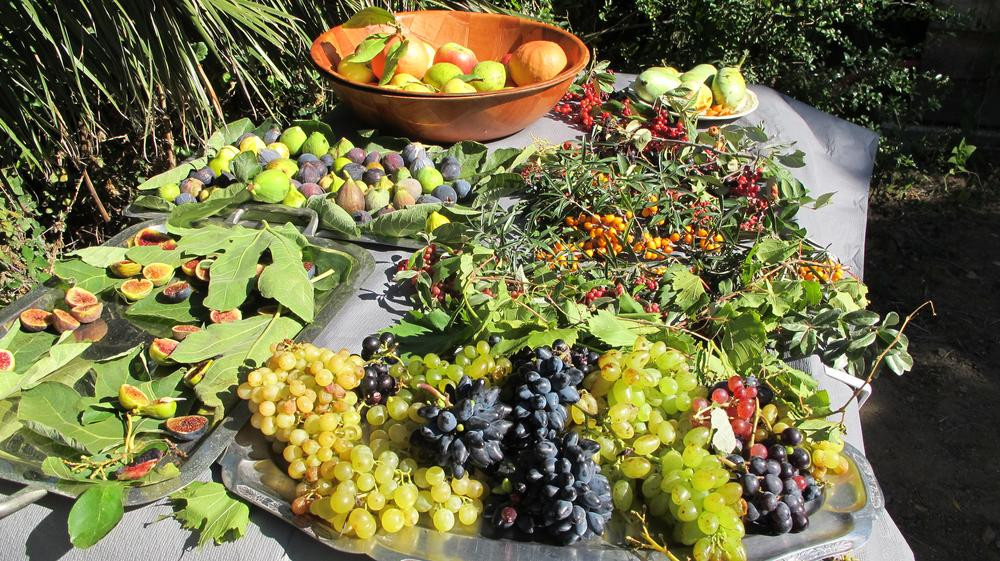
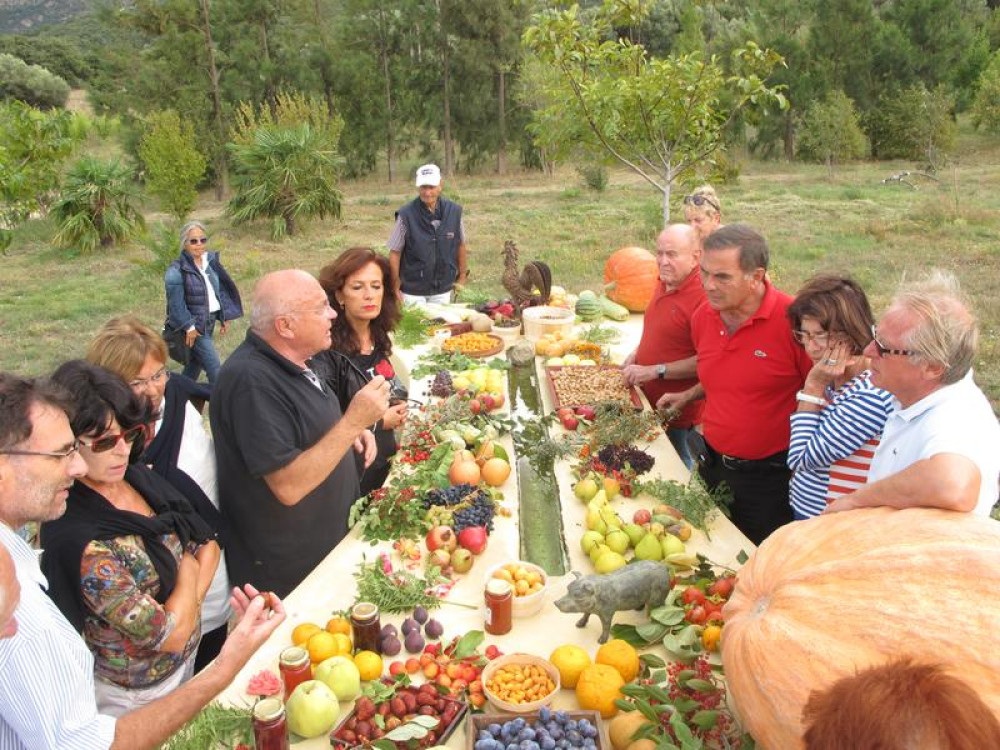
An experimental botanical garden but also a fruit variety collection of a diversity that makes it unique in France, as do the entirely natural growing methods, free from chemical fertilisers and pesticides. Well worth a visit for advice from the head gardener.Discovering the Avapessa Botanical Fruit Garden means entering a remarkable collection of more than 40 kinds of edible fruits with many rare varieties from all over the world.
This collection is the result of many years of passionate research. The climate of Balagne and that of Avapessa, allows these fruit trees to flourish naturally.
Born of gluttony, passion and research have taken over for the management of this garden. It pays homage to the ancients and traditional culture while respecting nature and its biodiversity. The acclimatizations of this garden are also intended to anticipate the harmful effects of the ongoing climate change.
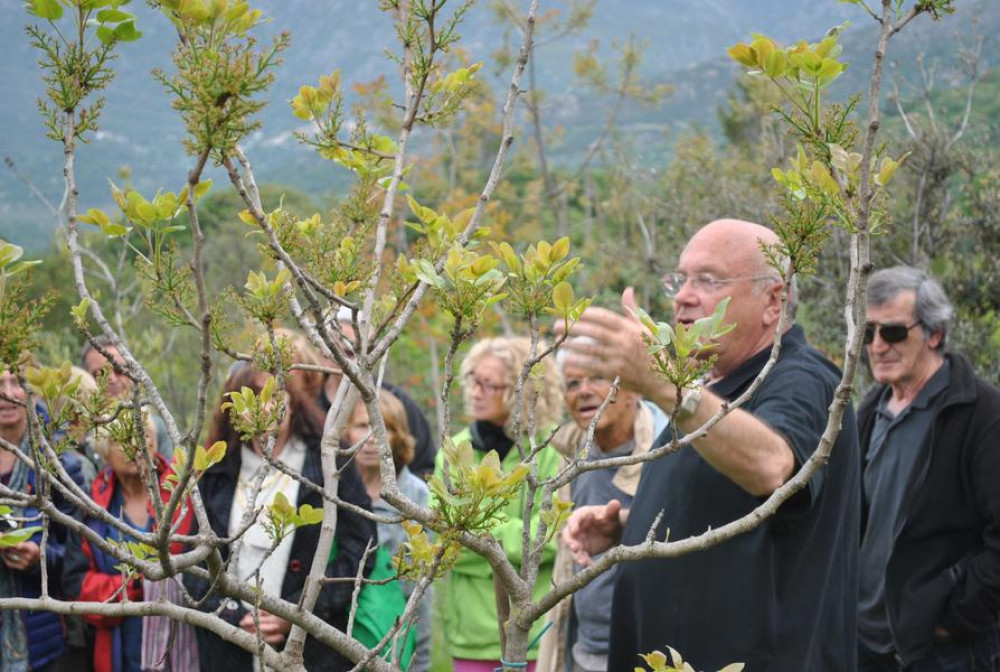
The Avapessa Botanical Fruit Garden offers guided tours, courses on fruit preservation methods as well as training on this method of cultivation.

The Chapel is dedicated to San Lussoriu, the Sardinian martyr of the third century AD. It is now in ruins but still very much visible in Zilia cemetery.This construction was a main place of worship since we find, below
of the church, the toponym "Trufuna" which refers to the rite of Holy Week.
It is dedicated to San Lussoriu, Sardinian martyr of the third century AD. This saint beheaded under Diocletian is celebrated on August 21. One hypothesis locates this fifteen-meter-long chapel on the site of a pre-Romanesque building from the 7th century. Dating from around the end of the 10th century, its construction was made with stones from previous buildings.
Several times modified, it was abandoned as a parish church in the 17th century.
The mass grave ("the arca") will be used until the beginning of the 20th century. A statue of San Lussoriu can still be seen inside the Church of San Roccu.

Zilia church can be found in the heart of the village. It is dedicated to Saint Roch, or San Roccu, a highly venerated saint in Balagne.The Baroque-style St Roch church was completed in 1688 and then extended in the 19th century. A municipal decree dated 1651 reflects the decision to build it.
Its high polychrome marble altar comes from the Alzipratu convent. He was
recovered by the inhabitants, in the 18th century as well as the statue of Saint
François dei maleficii and the statue of San Bonavintura.
San Roccu treated plague victims, his cult developed in the 15th century following terrible plague epidemics.

A Ghjesgia di a Trinità di San Giovani... This building dating from around 1100 is an absolute gem of Romanesque Art.The granite blocks constituting its facade are of 3 different colors, 3 being the number of the perfection of the Trinity: beige symbolizes the Father, green, the Son, and red the Holy Spirit.
Above the door, an arch has 7 dark keystones and 8 light keystones: the 7 invites man to turn to God and the 8 symbolizes his resurrection.
Inside are 2 15th century frescoes.
The Church had the status of a Piévane Church. It served as a burial place for the inhabitants of Aregnu and Sant'Antuninu until the beginning of the 19th century in a communal burial place called "arca". His religious vocation was coupled with a role
social until the beginning of the 16th century.
It also served as a court of first instance. The name of the village, Aregno, would be a deformation by palatization of aringo.

There is evidence that this church existed in the 17th century under the name of Santa Croce.In 1730 she was named Sant'Antonio Abbato. The organ gallery dates from 1888. The preaching pulpit, dated 1714, is in waxed wood; it was listed in 1995. Inside, several chapels and their altars were founded by the community or families whose coat of arms can be found.
The San Quilicu Chapel is the former Chapel of Souls in Purgatory. It was redecorated in 1810 after the upper window was obstructed during the erection of the campanile.
The baptistery chapel houses an 18th century canvas, a reproduction of a work by Carlo Maretta preserved in Rome, representing the martyrdom of St Francis Xavier. This painting, the author of which is unknown, was filed in 1995.

This chapel was founded around the 10th century and left to abandon in the 13th century. It was dedicated to San Quilicu, who is honoured and carried in procession in mid July.The building is built in two-tone polychrome granite (beige granitoïde and black syeno-diorite) without plaster, in the Romanesque tradition. It is located on the first built site of the village, traces of which remain in the surrounding land. It is now in ruins.

The church was built in 1618 with some of the stone from the old church of Santa Maria Assunta, which has since disappeared.The other part of its stones from the old church of Santa Maria Assunta were used to build a wine press. With a square, multi-storey bell tower, this Baroque church is also home to the San Carlu brotherhood.

Notre Dame des Anges is a Baroque church dating from the 17th century. It features a double pediment and its layout is in the form of a Greek cross.Its high baroque facade known as the “harmonic facade” has a dome illuminating the nave and an apsidal bell tower with arcades unique in Corsica.
It contains two paintings from the XVIIth century "The Virgin and Child with Saint Lucia and a Bishop" and "The Assumption of the Virgin with Saint Servant, Saint Quilicus, Saint Catherine and two other martyrs", both classified in 2004.

San Cesariu chapel was built in the 12th century on a hillock on the mountain crest between the Reginu valley and the Aregno plain.This Romanesque chapel was modified in the 17th century, the frame was replaced by a vault which required the installation of buttresses capable of withstanding the thrust. This small Romanesque chapel is not classified.

The chapel of Saint François, San Francè in Corsica, is dedicated to the saint born in Calabria in Paola around 1416, died in Plésis les Tours in 1508 and canonized in 1519. Founder of the order of the minims (minori), he is the patron saint of sailors in some localities.It is celebrated on April 2; that day he was carried in procession to the village church, San Roccu, and remained there until Pentecost Monday.
Oriented N 27º E (frequent orientation of buildings from the Roman period), the chapel may have covered a pagan building.
Its presence is attested from the 18th century. Simple in design, with a main door and a side door, it contains an altar reminiscent of the Baroque style with trompe l'oeil columns.
A legend is linked to the presence of this religious building: halfway along the path leading from the chapel towards the river, a stone on the ground with three small cavities which perfectly correspond to the position of the thumb, the index finger and the middle finger of a man's hand.
It is said that Saint François, visiting the region, went up to the village of Puffiume (current Saint François district, or Alivetu Cumunu, which was a village in its own right in the 15th century, abandoned in the 18th century).
A battle was then raging there with i mori (Barbarians) and blood flowed freely. Saint Francis put his fingers on the said stone in order to stop the massacre; in gratitude the villagers consecrated this chapel to him.
 Lisula - Outdoor & Trail - Trace - Rando 23 : Boucle de Sant'Andria (Feliceto)