
Oci, when light meets stone...
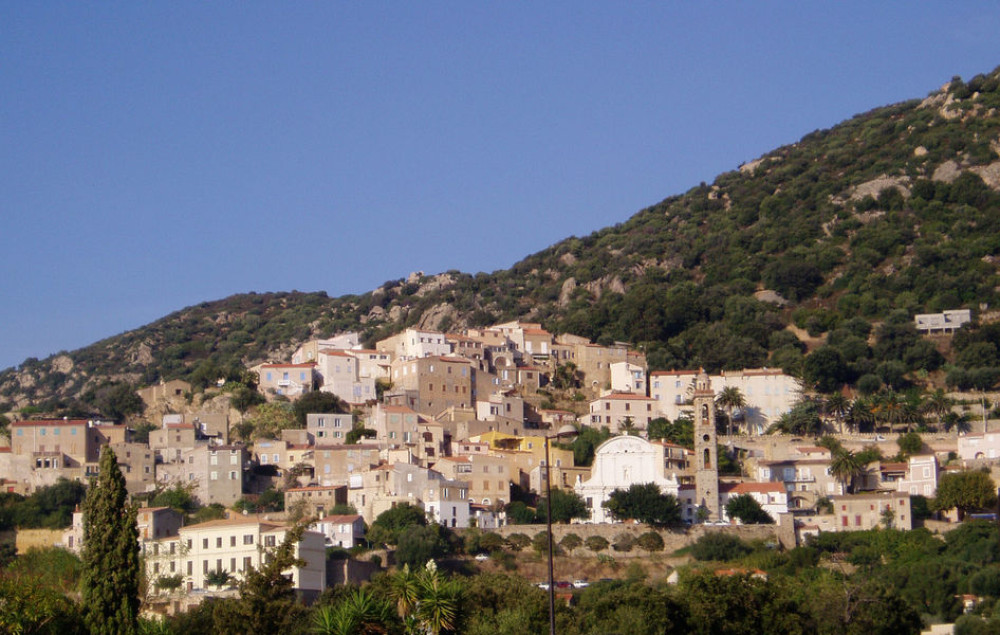
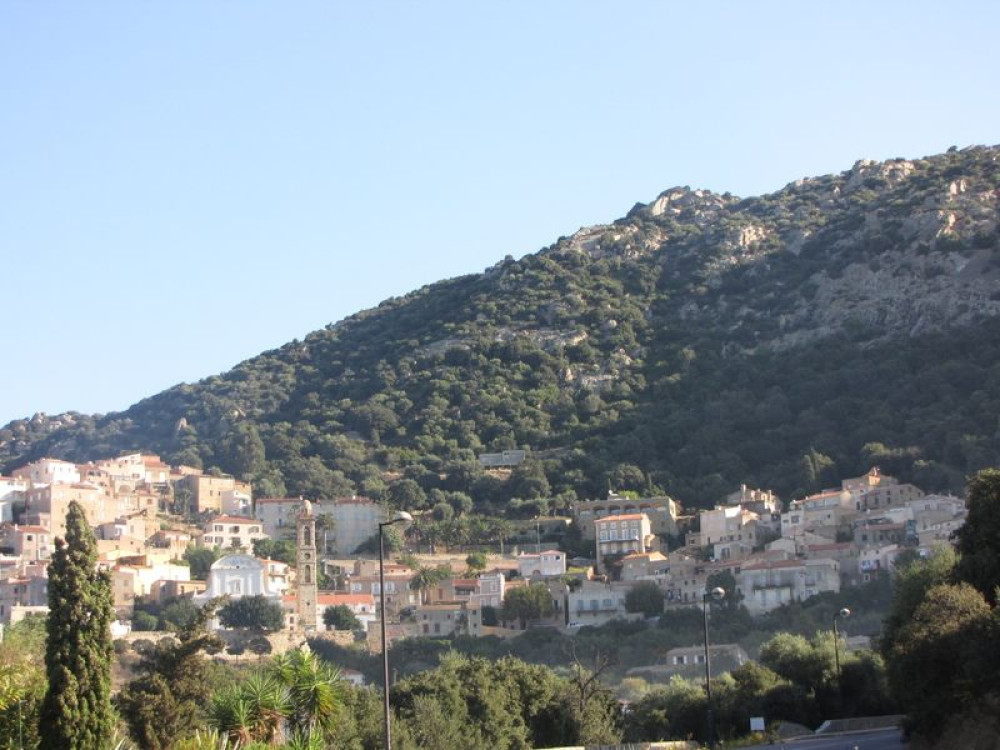
The abandoned village of Occi nestles on a plateau above Lumio, in Balagne. From an elevation of 377 metres, it offers a stunning panoramic view... So grab your shoes and get ready, get set, go!The first mention of the village dates back to 1589 but the date of its foundation is estimated to be the 14th or 15th century.
The Saracen attacks of the Middle Ages, which devastated the coast of Corsica, were the reason why the inhabitants of Spano took refuge and settled there little by little. However, a few centuries later, the village was finally abandoned in favor of Lumio.
Totally deserted in the 19th century, it fell into ruins. Its very last inhabitant, Felix Giudicelli, died there in 1918.




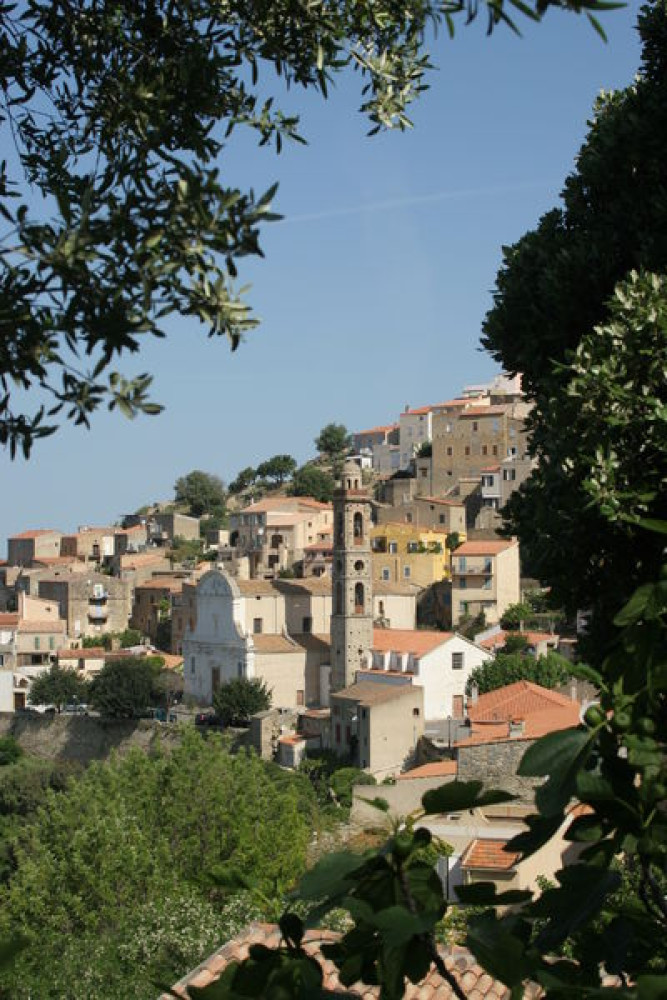
Perched at an elevation of 355 metres, the 18th-century Baroque church of this Medieval village is dedicated to Saint Vitus.In the Middle Ages, the village had a territory of 4 km² before the merger with Montemaggiore and Cassano, to form the only municipality of Montegrosso.
It is dominated by the Capu di Bestiaet located halfway between the slope and the mountainside.
Its old houses often have beautiful carved doors.
300 m. to the east, on the heights, rose the fort of Pilone and the old medieval village abandoned in the 17th century.
Around 1467, Ambrosgino de Lunghignanu received from the Duke of Milan, then sovereign of Corsica, the title of ducal governor but the tyranny of many "corporali" and a situation of disorder forced him to go into exile in Italy.
At a place called Lurgugliu, you can see a flat stone of 1 m. circumference that oral tradition says to be a supplicative or sacrificial stone.
Sights...
Saint Vitus parish church: the Baroque church of the village of Lunghignano was built during the 18th century from schist, rubble stone and filler. Bell tower in the apse.
A Ghjesgia San Raineru: This Romanesque church is located above the village, at an elevation of 415 metres, 1 km to the north west. It is a multicoloured pink-granite structure dating from the 11th century. San Raineru was protected here by a decree dated 15 May 1930. It was classified as a Historical Monument in 1992.
Wash house
Fountain under arcading
Arts & crafts: "U Fragnu" oil mill

Land of generous crops and fertile flavours... The "belvedere village" was once renowned for the abundance and quality of its springs. It owes its name to the fact that it was built around a wash house which can still be seen today.Shortly after the year 1000 and following a quarrel with his older brother Pinasco, Malafede Savelli takes his independence to declare himself Lord of Bracaghju, a stronghold of 7 km² with its castle, of which there remains, unfortunately, little trace.
Only the bases of the castle, perched at an altitude of 556 meters, are still visible.
The keep, protected by an enclosure and round turrets, will encourage the formation of small hamlets like Bracaghju or Castiglioni from the 11th century.
The hamlet of Mutali which is also called "the village of the Moor" has a chapel dedicated to Saint-Salvatore.
In the middle of the 19th century, the town, populated by 400 inhabitants, lived mainly on livestock; his herd numbered more than 700 heads, including 475 sheep. Agriculture was also important there with more than 5 km of cereals, 14 ha of vines, 59 ha of planted olive trees, 3 ha of chestnut trees, 3 ha of mulberry trees, some citrus fruits and gardens ...
Lavatoggio and its hamlet of Croce are today resolutely turned towards the plain of Aregno, which they dominate, whereas originally, the first constructions were developed on Mount Bracaghju, monitoring the plain of Figarella and overlooking the fertile plateau of Stella.
Sights...
The wash house: located below the church, this small granite structure with a roof of flagstone shingles was added to the list of historical monuments in 1987. It dates from the Second French Empire.
San Cervone chapel: added to the historical monuments list in 1987, this Romanesque building in the cemetery originally stood in a medieval village which has since disappeared. It was dedicated to Cervonius, a bishop from Populonia in Tuscany, whose statue is carried in procession during annual celebrations on 10 October.
Chapel of Notre Dame de la Stella: located at the foot of Mont Bracaghju where the paths to Occi, Lumiu and Lavatoghju meet.

A blend of crop terraces and arched passages... Ancient granite houses dotted along little cobbled streets that lead to a piazzetta, a small village square overlooking the sea.In the 19th century, the 500 inhabitants (today there are only about a hundred) lived on livestock, crafts and agriculture (cereals, wine and olive oil).
The combination of terraced crops, cobbled streets with arcades and vaulted passages over an area of ??318 hectares.
The area is very old since there are traces of an occupation dating back more than 500 years. Over the centuries, men have erected there medieval towers, chapels, baroque church adorned with magnificent frescoes and constructions linked to intense agricultural activity.
As in all of Balagne, the territory of the town is mainly planted with olive trees. Many were destroyed in 2005 by a large fire that started in Calenzana and devastated nearly 1,500 hectares.
Archaeological excavations carried out on the sites of Carcu and Modria attest that the site was already occupied nearly 2,300 years ago (housing structures, pottery, millstones, etc.).
Among Cateri's wonders is an olive tree, probably the oldest in Corsica, which is almost 2,000 years old.
Sights:
Parish church of Santa Maria Assunta: a classified, 17th-century Baroque building featuring a double pediment. Home to two 17th-century paintings listed as historical monuments since 2004.
Sainte Marcelle friary: neighbouring the church, this building also dates from the late 17th century.
Marcassu convent: located below the Lavatoggio road, it was built in 1608 on the ruins of the 10th-century Marcassu castle. It is occupied by Benedictine monks and also offers sanctuary to travellers.
Romanesque chapel of San Cesario: built in the 12th century on a hillock of the mountain ridge between the Regino valley and the Aregno plain.

Thriving soils and olive fragrances... Witnesses of a fertile land where oil farmers and herdsmen perpetuate the delightful tastes and traditions of Balagne.Occupying a fertile territory of 330 ha, formerly called "acqua spessa" and known for its important agricultural activity, the municipality of about 80 souls extends from the plain of Reginu to the heights of Capu di Bestia, culminating at 804 meters. altitude.
Around 1850, the town had 300 inhabitants, the smallest plots being planted with cereals, vines, orchards, mulberry trees and chestnut trees, each family having its own garden and especially more than 50 hectares of olive trees, mostly dating from the 18th century.
Breeding, mainly sheep, held an important place.
If agriculture has declined as it has everywhere, olive growing has held up well (even today the village is renowned for the quality of its olive oil) and shepherds still have some 700 sheep and 150 cattle.
Identity mark of the village, the bell tower of the baroque Sainte-Marie church dominates the roof of particularly neat houses. The other chapel and the defensive tower have disappeared to cede their stones to the construction of houses and the wine press.
Sights...
Church of Saint Mary: Built in 1618 with some of the stone from the ancient church of Santa Maria Assunta, which has since disappeared. The rest of the stone was used to build a wine press. This Baroque church features a square multi-level bell tower and is home to the San Carlu friary.
Saint Michael's Chapel
Oil mill
Fruit gardens
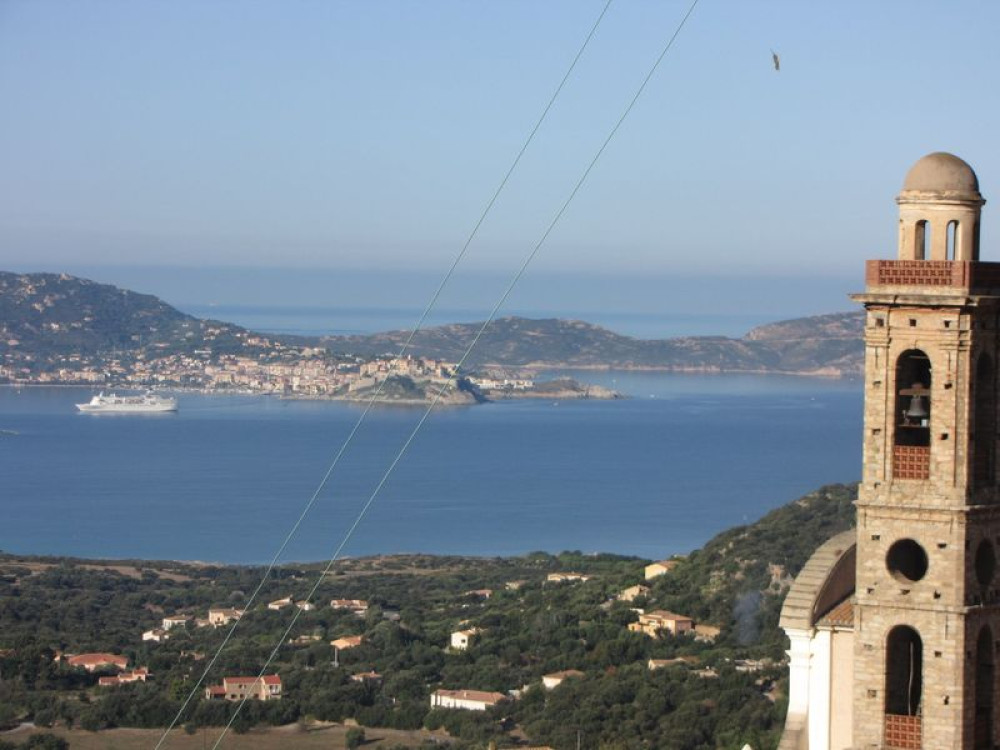
When the expression of stone is enhanced by the magic of light... Protected by towers and drenched in the golden light of Balagne, this iconic village, so cherished by Laetitia Casta, overlooks the sea and the tip of Spanu.Located at 200 m. altitude, the village whose houses are gathered around its church offers the magic of light and releases the perfumes of its wine.
In the Neolithic, at Monte d'Ortu there was already a community that had formed a village.
In the 6th century, these places were ruined and emptied of inhabitants by the Barbary incursions, then the Moors used the port of Spanu to trade with Spain and the place became prosperous again: the village of Lumio was concretely founded in the 15th century.
At 377 m above sea level, above Lumio, is the ruined village of Occi. Lumio was reunited with the commune of Occi on April 29, 1852. Occi was a commune of 840 hectares which dominated the shores to protect itself from various invasions, in particular those of the Moors.
The ruins of this village can still be seen today.
The Navy of Sant'Ambroggio completes the set: a real tourist complex it includes a marina with 180 berths, equipped with a harbor master's office and a refueling station, and a set of small residences in seaside. Club Med has set up a holiday village there.
On site, there are all the shops necessary for daily life.
Sights...
Parish church of Saint Mary dating from 1800.
Saint Antoine church, built in 1590. Adjoining Saint Mary's church, it was converted into a friary when it became too small to accommodate the parishioners.
Chapel of Saints Peter and Paul: an 11th-century Romanesque building, classified as a historical monument since 1992 thanks to its exterior. The church is thought to have been built on the site of the paleochristian chapel which had itself been built on the location of an ancient pagan temple.
U Carrubu: a massive stone structure topped by arches, built during the 18th century at the initiative of Abbot Ignace Colonna de Leca as a shelter for the destitute and a school for the children. The polyphonic group Corse A Filetta have made it their rehearsal studio.
Occi village ruins: can be reached via a heritage trail that makes a loop from the village - Approximate duration: 1 hr 30 mns.
Events: "A Fiera di u Pane" Bread Fair (July), and regular concerts at the church from April to October

Crop terraces and watersports... a citadel, a beach of extreme beauty, a castle and an old fishing port that now harbours recreational vessels. An unspoilt environment to delight amblers.Because of its 75.5 ha the village was considered, before 1852, as the smallest municipality in Corsica, but, enlarged, (173 ha today), it lost this "title".
Particularly dynamic in the 18th century, this port was in the time of the Genoese the residence of the lieutenant in charge of Balagne. It has evolved and become a pioneer resort in terms of tourism.
Built on the site of an ancient Phoenician city, it was taken and sacked by the Ottomans in 1643. Genoa had it fortified in 1664. Its castle was the residence of the Governor of Balagne for Genoa until 1764. To the west , the small port of San Damiano was once a Roman port sheltered from frequent and strong gales from north to west. It will be abandoned after their departure in the 6th century until the 12th century, when a defense tower was built. Consequently, commercial and fishing activities resume. In 1620 the port became the second port of the island! Today Algajola has a small fishing port without fishermen all year round.
Its beach, well known to surfers, invites you to enjoy surfing.
Sights...
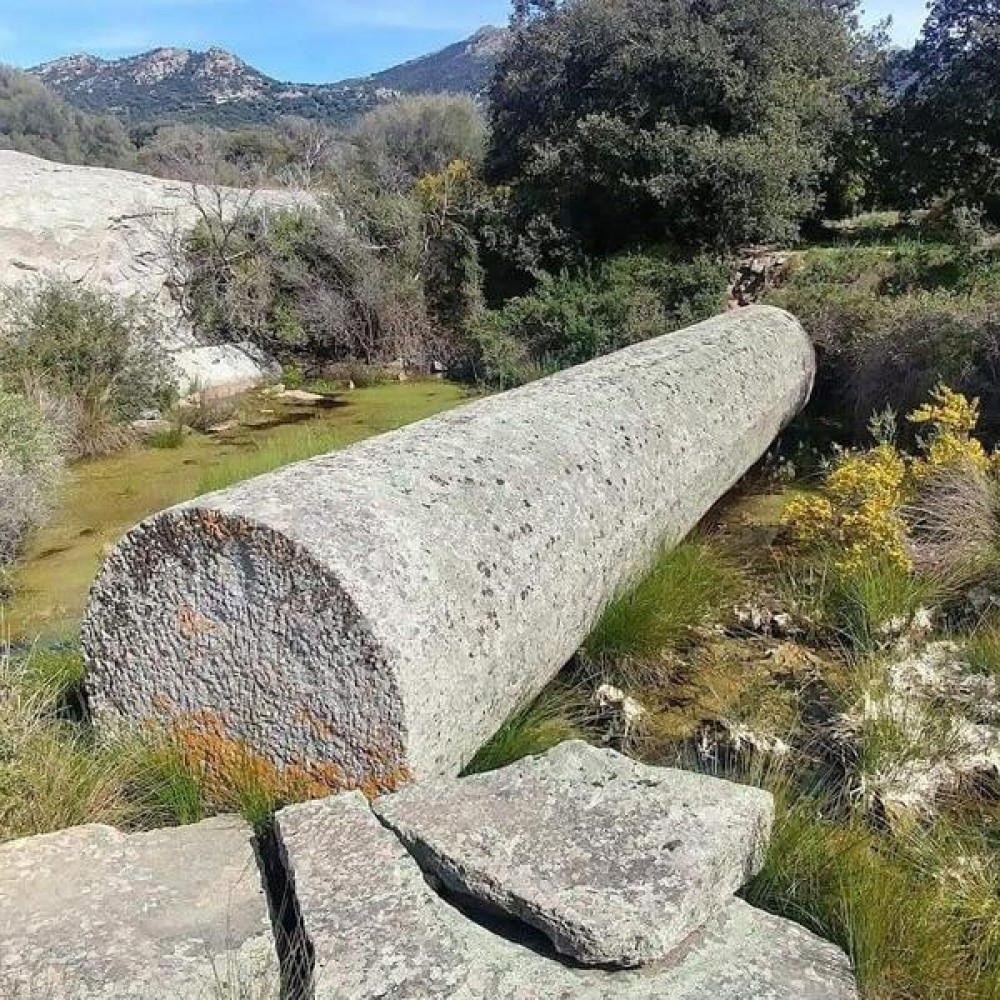
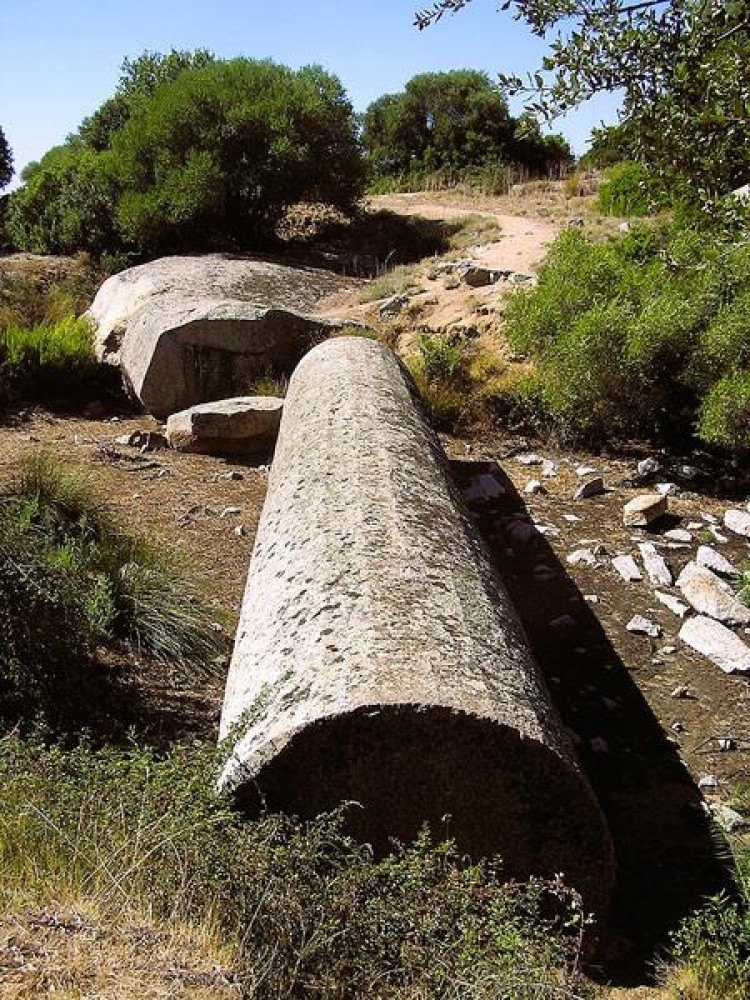
The Algajola monolith: From the main road, you can still see this remarkable monolithic porphyry column, weighing over 270 tonnes, which was abandoned in 1837. It was intended as a base for a monumental statue of Napoleon the First that was never erected. The base of the Vendôme column in Paris is made from porphyry from Algajola.
"U Castellu", the fortified castle of Algajola: It was built in the 16th century, on the ruins of the tower of the noble Lomellini family of Genoa and was the residence of the governor of Balagne for Genoa until 1764. Now a private property, it has been a listed Historical Monument since 1992.
The Citadel: For a long time, Algajola was a Genoan outpost before Calvi. Nowadays, the small fortress is kept in a good state of repair and its prominent watch tower bestows it with a beautiful silhouette.

This chapel was founded around the 10th century and left to abandon in the 13th century. It was dedicated to San Quilicu, who is honoured and carried in procession in mid July.The building is built in two-tone polychrome granite (beige granitoïde and black syeno-diorite) without plaster, in the Romanesque tradition. It is located on the first built site of the village, traces of which remain in the surrounding land. It is now in ruins.

Notre Dame des Anges is a Baroque church dating from the 17th century. It features a double pediment and its layout is in the form of a Greek cross.Its high baroque facade known as the “harmonic facade” has a dome illuminating the nave and an apsidal bell tower with arcades unique in Corsica.
It contains two paintings from the XVIIth century "The Virgin and Child with Saint Lucia and a Bishop" and "The Assumption of the Virgin with Saint Servant, Saint Quilicus, Saint Catherine and two other martyrs", both classified in 2004.

Located in the cemetery of the lost Medieval village of San Cervone, this Romanesque chapel features a semi-circular apse. The west door bears the inscription 1203, the date when it was restored.It is dedicated to Cervonius, bishop of Populonia in Tuscany, who is celebrated on October 10 by carrying his statue in procession.

The municipal wash house of Lavatoggio has been a listed Historical Monument since 1987. This small granite construction has a roof of flagstone shingles. It dates from the Second French Empire. The village is thought to be named after the many springs and wash houses to be found here. (Lavatoggio = wash house).

The 11th-century church is thought to have been built on the site of a Paleochristian chapel which in turn had been built on the site of an ancient pagan temple.Rebuilt in the 18th century, it was capped with a penetrating vault; its apse has 2 granite gargoyles embedded in the wall.

San Rinieru Chapel can be found at 420 metres above sea level, between Montemaggiore and Lunghignano. Its cemetery dates back more than a thousand years.In a Pisan Romanesque style and built around 1185, replacing an even older sanctuary, it is under the protection of Rainier, a holy Pisan hermit who died in 1160.
It was inaugurated by the Archbishop of Pisa and five Bishops of Corsica.
A polychrome building, it has a cross opening at the top of its facade surrounded by two human faces.
Formerly, on June 17, an important fair was held here, frequented by Pisan merchants and the Bishop of Sagone on whom this sector depended.

According to maps dating from 1643, the Concerca fountain was also known as "Funtana con archi" because it was fed by an aqueduct.This fountain, located in front of the entrance gate to the Algajola fortress, is made up of two distinct parts, because they are not contemporary.
The oldest, a sort of large vaulted room (probably from 1777), surrounds a more recent neoclassical pediment facade, dated 1856.
A stone basin collects the water, deemed to be good, which the people of the village still come to draw.
Drinking water fountains: to reduce our consumption of plastic bottles, the Calvi Balagne Community of Communes has listed the drinking water fountains on its territory.

The Baroque church of Saint Georges d'Algajola has an elongated design with a narrow choir, a raised floor and a low ceiling. In summer it is a popular concert venue.In the center of the pediment, you can admire an altarpiece representing St George slaying the demon, then, in the 3rd bay, a magnificent painting of a Descent from the Cross.
The altar dedicated to St. George offers very beautiful straight columns cushioned by angels. The high altar, meanwhile, is white marble with red battens.

Saint Laurent parish church is of Baroque style and stands above the municipal wash house. It houses a chapel, Saint Ursula, the top of which bears the coat of arms of the lords Sabellis.Guido de Sabellis was one of the 4 Roman princes that Pope Stephen IV sent at the beginning of the 9th century at the head of an expeditionary force to liberate the kingdom of Corsica then under the yoke of the Saracens. Winner, the province of Balagne had been offered to him as a reward.
The chapel of the brotherhood, A Casazza, adjoins the Church of Saint-Laurent. It could have been the previous church of Lavatoggio as some details discovered during recent restoration work would indicate. The brotherhood is patronized by Saint Anthony the Abbot.

The convent's first stone was laid on 5 September 1623, on land generously donated by Cateri's three inhabitants. An official ceremony was held to mark the occasion. The building overlooks the entire Aregno plain.Its location had been chosen two years earlier, on May 6, 1621, and materialized by a cross placed on the ruins of a former commandery.
In all, it took two centuries and constant work to complete this imposing building of over 1500 m².
It consists of around 40 rooms, a cloister and a church; the latter was at that time the parish church of Cateri.
In 1642, the population of the convent was very important and many cultures were developed in its dependencies; consequently, the water requirements have, in fact, increased.
This is the reason why the neighboring municipality, Lavatoggio, was asked to donate water.
The municipality donated water from the "Capu di Guestia è Monacu Mortu" to the convent. 9 years later, another donation of water from Quarciolu and Parnicale was made; however, this water was only available from mid July to the end of October.
In 1789, the convent of Marcassu was declared National Property and sold at auction to Joseph Salvini de Nessa after the expulsion of the Franciscan friars who occupied it.
In 1806, Joseph Salvini sold the 2 large bells (bought by the factory of Sant Antonio) and the organs. He also ceded the polychrome marble high altar which now adorns the Church of Cateri.

It is only accessible on foot by a small path and is the subject of a pilgrimage every year on September 8 to celebrate the Nativity of the Virgin Mary; due to its geographical location, this is the only date it is open to the public.
It contains a very beautiful canvas that the shepherds of Niolu, who transhumed there, would have entrusted to the hermits residing in the chapel in the 17th century.
It has also undergone several restorations.
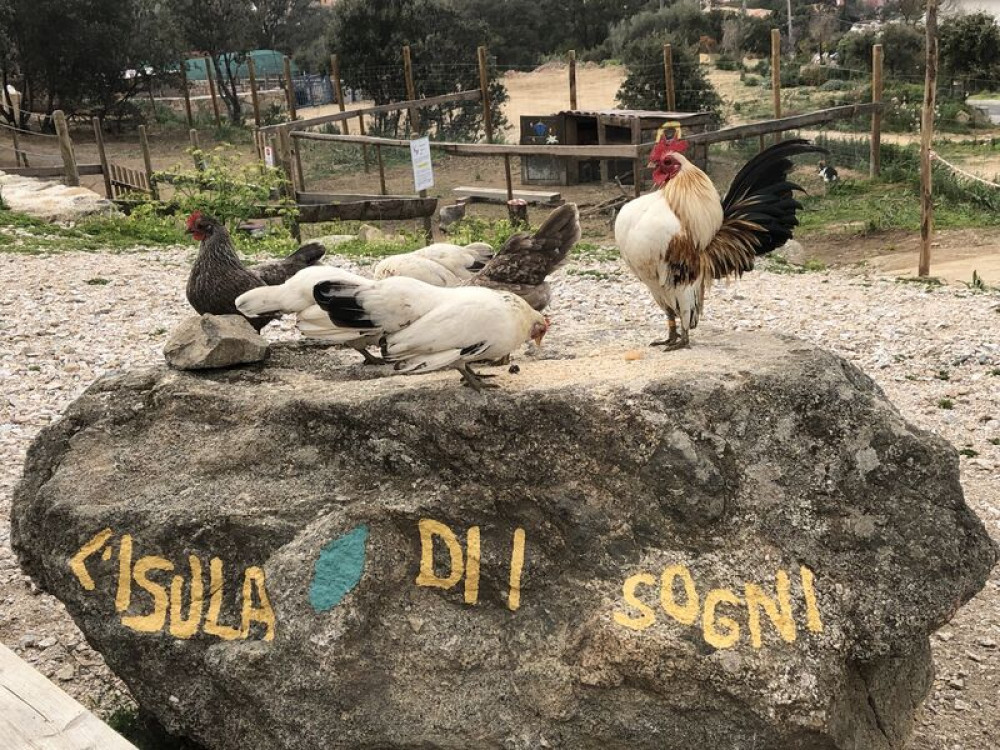
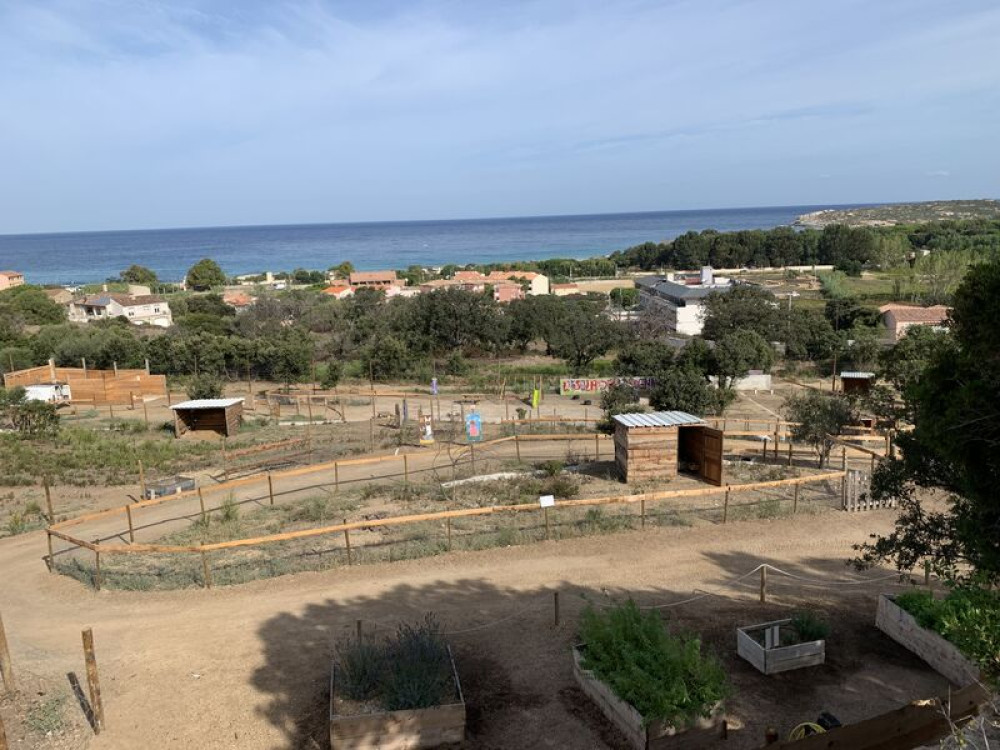
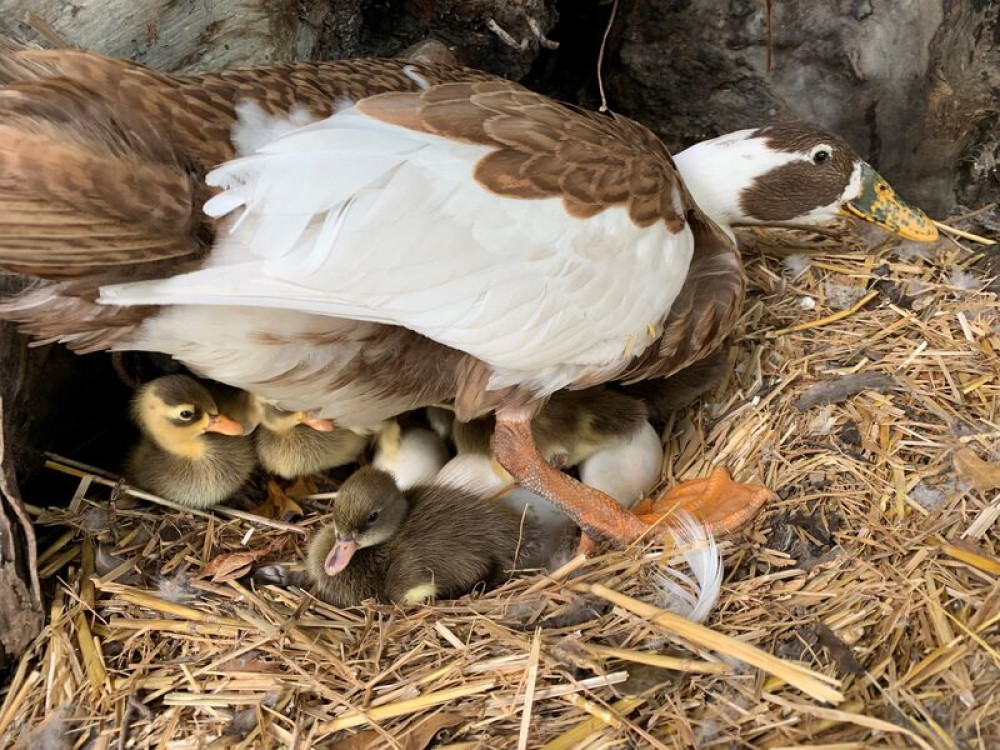
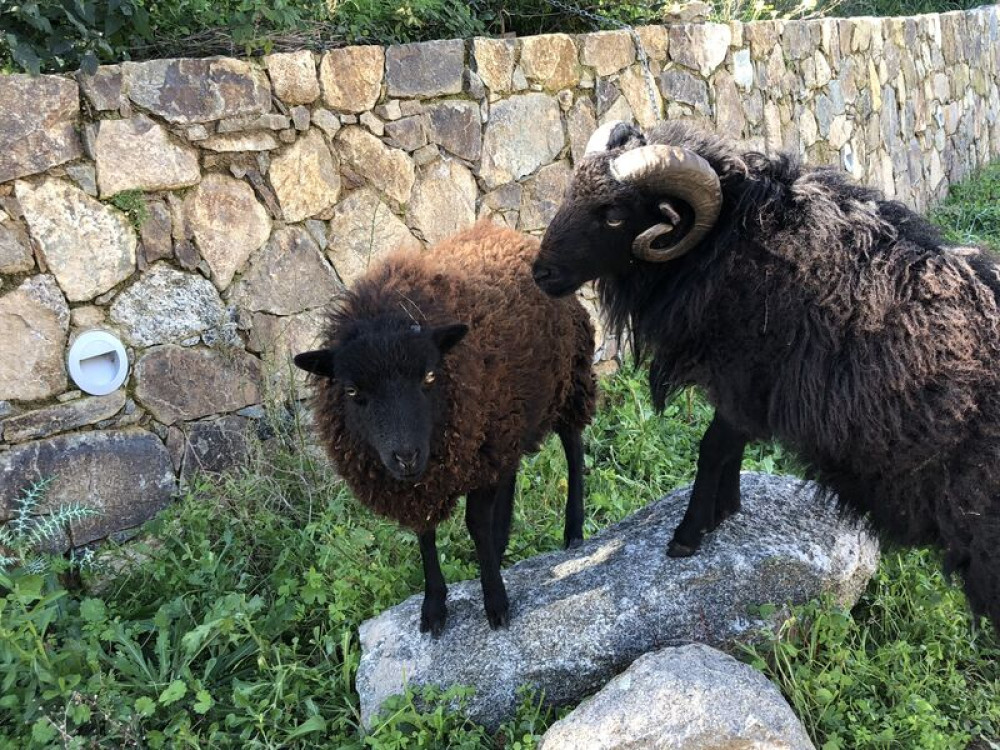
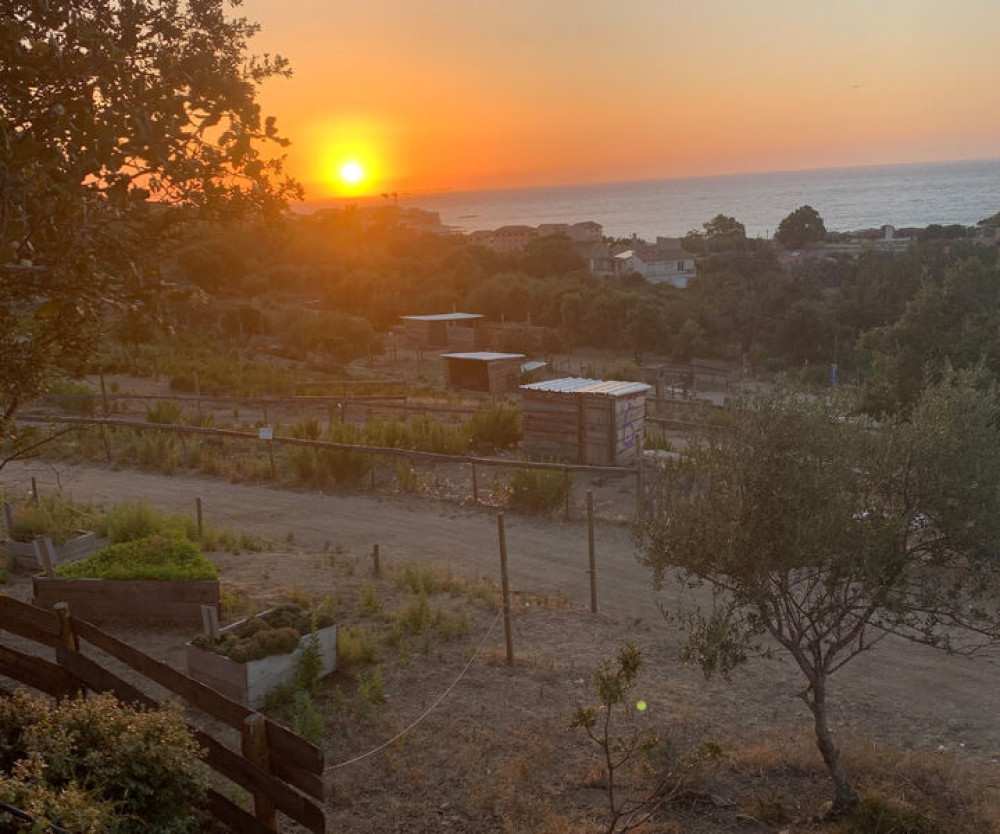
The Isula di i Sogni educational farm will be happy to welcome you within its 3 hectare park with sea view and sunset.
An ideal place to discover the animal world for young and old!Located in the Aregno plain and close to Algajola beach, the educational farm can be reached by car or a 15-minute walk from the Algajola micheline stop.
The proposed activities:
- The discovery of farm animals: pigs, horses, rabbits, llamas….
- The 34 enclosures: each has a small explanatory panel of the species; the child will be able to stroke the animals and also enter directly into several enclosures.
- The sensory journey: garden of scents, garden of music ...
- Play and rest areas: agility course, trampoline, swings, bowling green, picnic tables available.
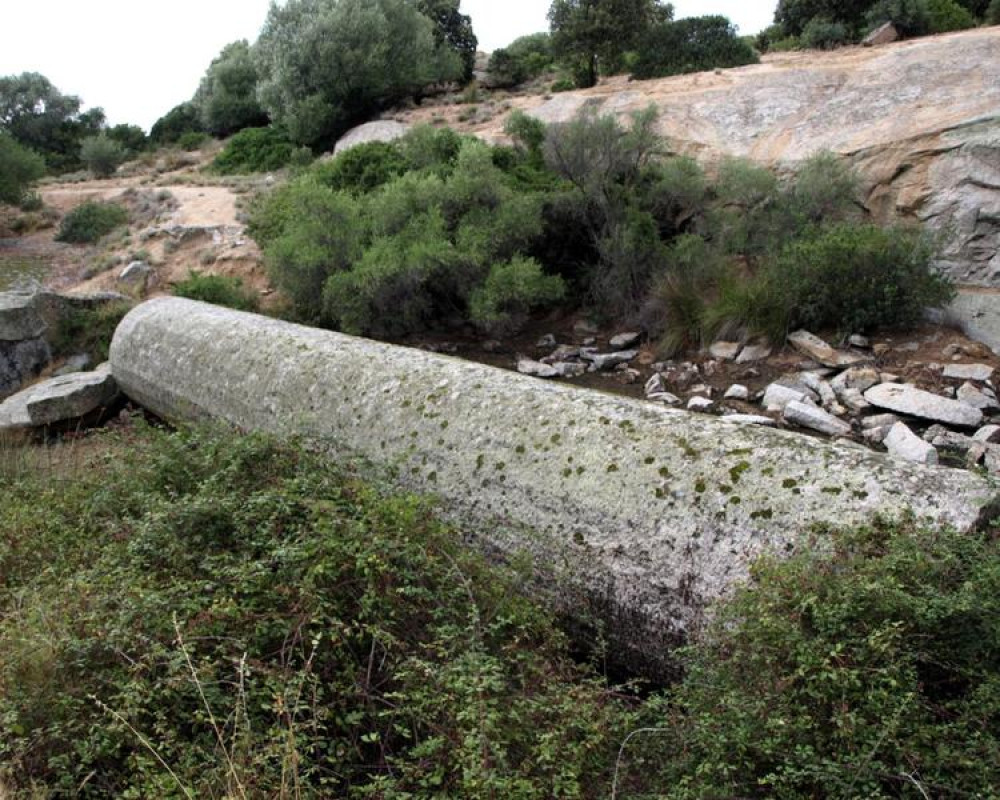
The Corbara Monolith is an impressive granite column, 17 m long and 3 m in diameter, carved in 1839 to support a statue of Napoleon I. It has been abandoned for logistical reasons. Abandoned for logistical reasons, it weighs 272 tons and bears witness to local history.A few kilometers from Algajola, off the RT30 and in the commune of Corbara, lies a little-known but impressive monument: the Corbara Monolith.
This granite block, 17.36 metres long and 2.74 metres in diameter, weighing almost 272 tonnes, is an imposing testimony to imperial ambition in the 19th century. Conceived in 1839 to serve as the base for a monumental statue of Napoleon destined for Ajaccio, the monolith never left the site where it was carved.
The quarry where this stone giant was born is located in an area where granite is characterized by its large, slightly faulted domes. Algajola granite is remarkable for its large honey-yellow crystals, micas with varied greenish inclusions, and its envelope of feldspars and quartz. Quarrymen cut this monolith directly on site, but the technical and financial difficulties of transporting it condemned this ambitious project to abandonment.
Today, the monolith rests peacefully in a private field, close to the ruins of the former quarrymen's cottages.
 Lisula - Outdoor & Trail - Trace - Hiking 26 : Occi